
In the realm of fire safety, the importance of passive fire protection cannot be overstated. Passive fire protection measures are crucial elements in ensuring the safety of buildings and their occupants by preventing or delaying the spread of fire. In this article, we delve into the world of passive fire protection, exploring various assurance mechanisms in use across the world that ensure the money invested in delivering fire protection performs as promised.
Passive fire protection: a shield against catastrophe
Passive fire protection encompasses a range of structural and compartmentation measures designed to limit the spread of fire and smoke. Unlike active fire-protection systems, such as fire extinguishers and sprinklers, passive protection features are integrated into the building’s design and construction, acting as a constant and reliable line of defence.
This means that the appropriate means and measures are initiated when the design is being detailed by the architects or contractors.
Examples of passive fire protection include fire-resistant walls, doors, floors and ceilings. These elements serve as barriers that prevent the rapid escalation of flames and smoke, providing precious time for occupants to evacuate safely and for firefighters to contain the blaze.
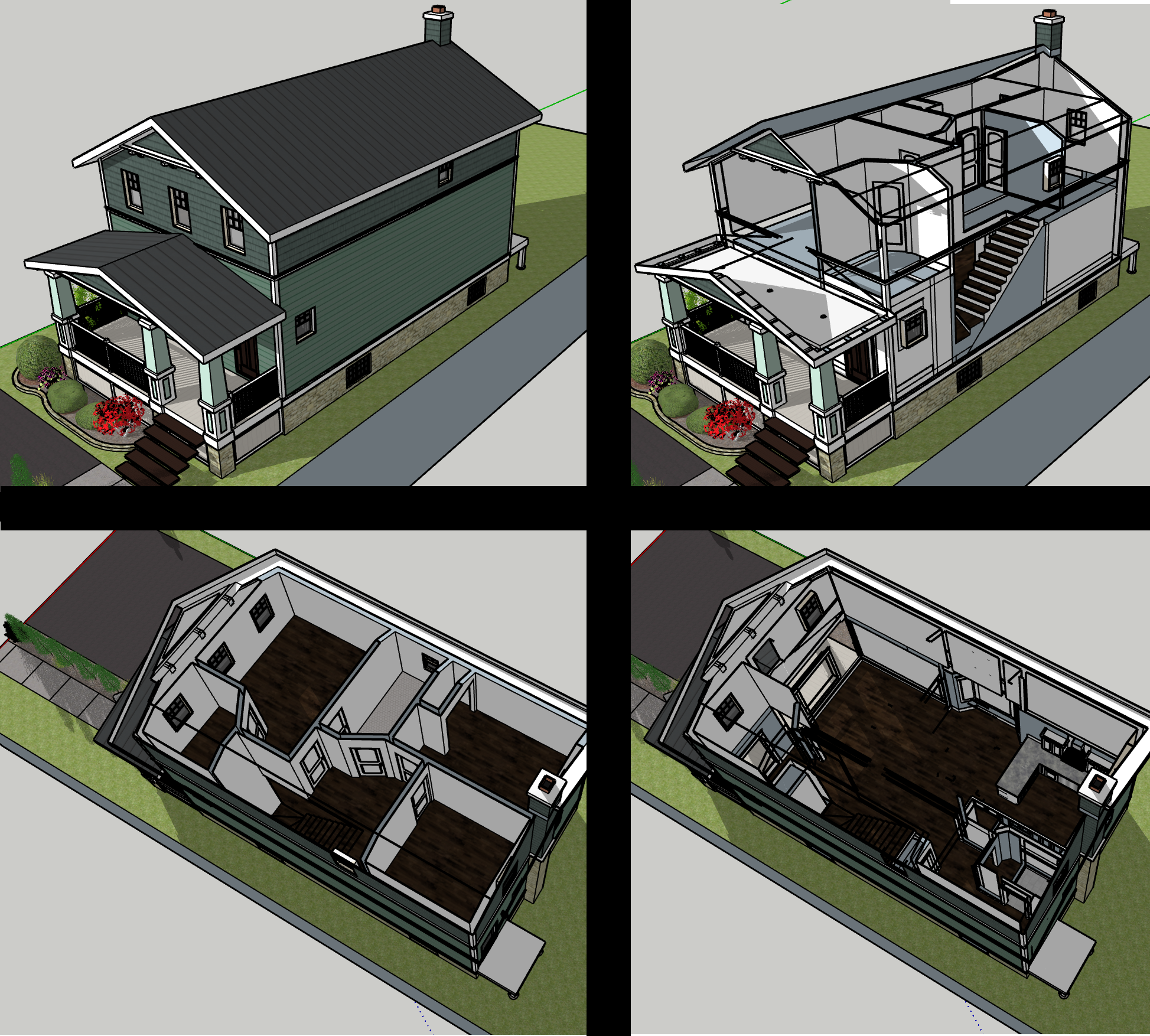
Let us look at Figure 1 to understand how a typical building has so many design elements where compartmentation needs to be planned for. With key considerations of the type of building (occupancy type), how reachable the building is for the fire department and the readiness of the occupiers in case of a fire, the compartmentation strategy takes shape. This defines the design of the passive fire-protection strategy and forms the basis of the technical specifications.
The passive fire-protection strategy, which is part of the fire and life safety strategy, is the starting point of expectations which need to be assured. This is where the requirements of performance of ‘reaction to fire behaviour’ of interior finishing, the ‘fire resistance rating’ of compartment elements and openable elements as well as MEP-related elements get firmed up.
To be sure this is ‘assured’, we need to understand the assurance framework and the tools used to implement assurance.
Assurance framework: who is assuring what and how?
To understand the framework, let’s look at where a promise is being made and needs to be backed up or assured.
- Raw materials are sourced and/or processed.
- Products are manufactured and/or fabricated.
- These are supplied and installed.
- Later, some of them need maintenance and are repaired.
Each step is often performed by a business or an individual, where a contract is in place. Do/deliver this and get this in return. Assurances that each of the four activities listed above are delivered as promised are often given by ‘third-party’ bodies.
Third-party bodies
They are called so as they are independent to the contract between the buyer and seller (in each of the four steps defined above). The first party and the second party are buyer and seller. As they are independent from the main contract between the buyer and the seller the services of the third party are delinked from the commercial aspects of the contract. Hence, they are better placed to assure without any commercial bias. In most cases, the third-party is not even aware of the contracts between first and second party.
The assurance of product or raw-materials performance is often evaluated via testing; the repeatability of the supply of products is assured by certification; and the assurance of workmanship is assessed via inspections.
Testing: evaluating reliability and performance
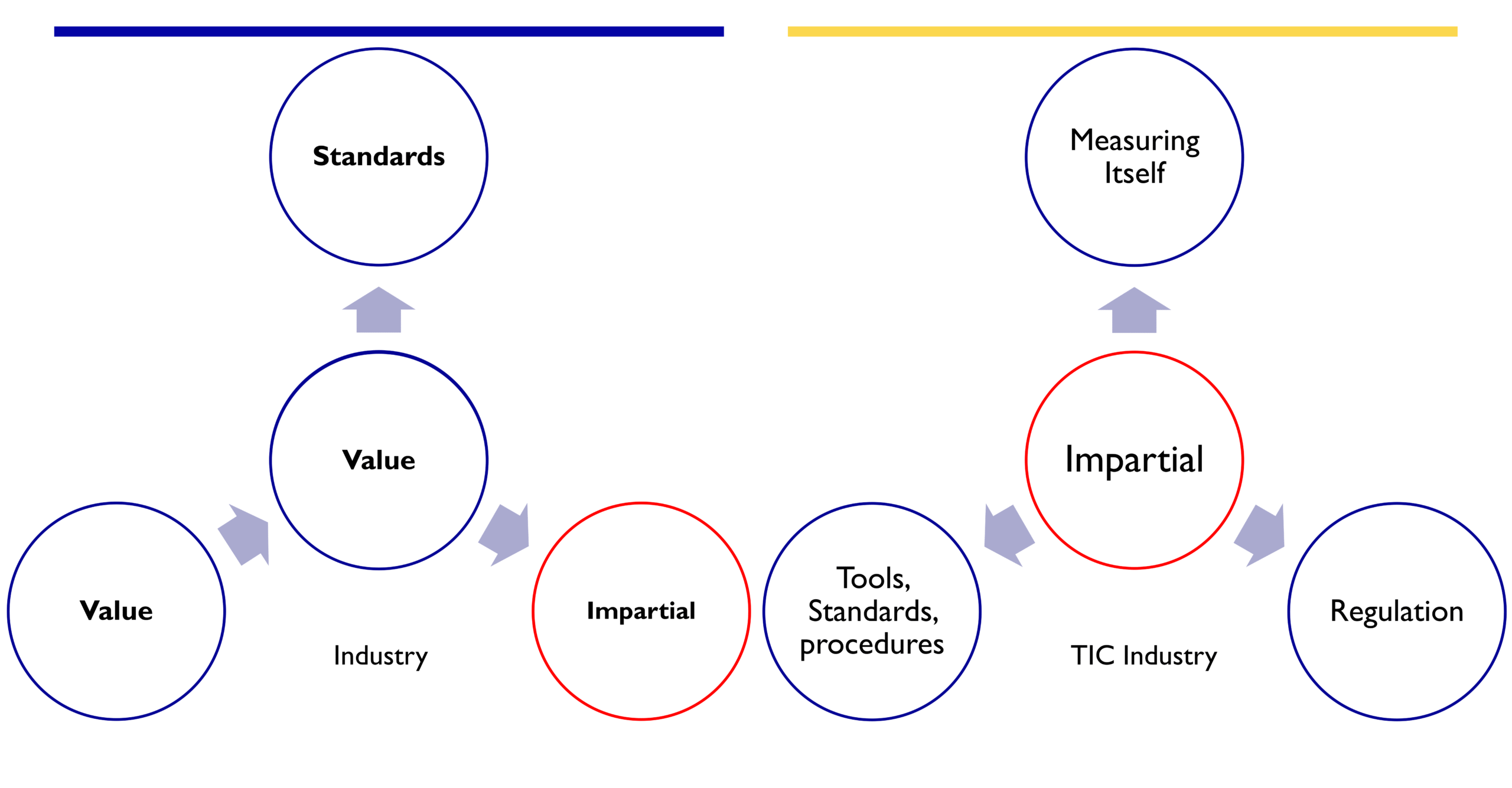
To assess the efficacy of passive fire protection, testing is the starting point. Independent testing laboratories evaluate materials and systems under standard fire conditions to assess their resistance, reaction and performance. Products meeting the specified criteria have key evidence generated to assure them. Let us look at Figure 2 to better understand some of the conundrums.
- Review the test report carefully and check the following:
- Is the laboratory qualified or accredited to conduct the testing as per a given standard?
- Was the test conducted to the correct standard (in its latest version)?
- When was the test done?
- Apart from a ‘pass’ or a ‘fail’, what information is listed and why?
- Is the sample which is tested a ‘golden sample’:
- What is the traceability of the sample that was tested?
- Who installed the sample?
- Is there evidence in the test report that enables linking the tested sample with what will be procured?
Product certification: a stamp of reliability
Before a passive fire-protection product reaches the market, it could be using a certification programme to establish that its repeatability is assured by a third-party body. Certification bodies often evaluate the product’s manufacturing processes, test the products and regularly audit them to ensure the fire properties they are claiming are being reproduced in the supplied products.
The presence of a certification label or marking assures builders, architects and end-users that the product has met the specific standards. Figure 3 shows a typical certification body’s process. The figure also shows the different types of certification programmes that could exist. And here is a list of what to be mindful of when looking at certification evidence for assurance:
- Certification body
- Assess the accreditation of the certification body. Certification bodies are accredited as per ISO 17065. It is worth knowing that accreditation is the process by which certification businesses/companies are audited and evaluated
- Understand the type (from figure) of certification that is being used. Is this sufficient?
- Liability and jurisdiction: Understand where the certification body is from or headquartered. What are they accountable for and what are their limitations?
- Certified product/company
- Look for a live certification directory where the certification number can be traced and validated.
- The product should carry this unique certification number.
- The directory thus should list the traceability of a certified product, and the standards by which it has been evaluated.
- Look carefully at which properties are being assured by the certification body and with what conditions/exclusions.
- Ensure a procedure exists to cross-verify this on the products received or installed.

Installation and inspection: the critical link
Even the most meticulously tested and certified passive fire-protection products can fail if not installed correctly. Installation inspection plays a crucial role in ensuring that fire-protection measures are implemented according to the manufacturer’s specifications and industry standards. The warranties and assurances of product manufacturers are limited to supply and become void if the products are installed by unqualified installers.
Ideally, two processes are undertaken to assure this. One is to contractually bind installation from the sub-contractor by creating a back-to-back performance warranty. Second is to hire qualified inspectors who can verify that materials/products are installed as intended, leaving no room for compromise in safety.
ISO 17020 is the standard that is used to create and run assurance programmes for inspection bodies. It specifies requirements for the competence of bodies performing inspection and for the impartiality and consistency of their inspection activities. Under these programmes, inspectors and/or inspection bodies take on liability or limited liability related to assuring correct installation.
ISO 17024 is also good to know as this is a standard that contains principles and requirements for a body certifying persons against specific requirements and includes the development and maintenance of a certification scheme for persons. So, in case you are working to assess if a person is certified to install or inspect or maintain then the certification programme would be as per ISO 17024.
Consequences of lacking assurance mechanisms
The absence of robust assurance mechanisms in passive fire protection can lead to catastrophic consequences. In the event of a fire, inadequately protected buildings may experience rapid fire spread, hindering evacuation efforts and jeopardizing lives. Additionally, property damage can escalate, with structural integrity compromised due to the unchecked advancement of flames.
Assurance mechanisms provide the much-needed visibility about who is responsible for what. Responsibility and liability have very specific commercial and legal implications. When assurance mechanisms are appropriately used in contracts and procurement, there is a clear and significant jump in quality and reliability. The presence of an invigilator immediately reduces cheating and the presence of an experienced invigilator has the potential to reduce it to zero.
Correctly used and documented assurance also provide for the much-needed evidence in case of any future incidents or accidents. Manufacturers, installers and other stakeholders can rest in peace if they have supplied or their installations have been signed off by a third party.
Conclusion
Understanding the assurance mechanisms behind passive fire protection is integral to creating a safer built environment. Testing, product certification and installation inspection collectively contribute to the reliability and effectiveness of these life-saving measures. As we build and inhabit structures, let us remain vigilant in upholding the standards that ensure our safety, for a lapse in passive fire-protection assurance can have far-reaching and devastating consequences.
Reprinted with kind permission from Fire Safe Build India.
About the Author

Abhishek is an Engineer and a Post Graduate Diploma holder in Finance. He has been advocating the need for compliance to standards for improved safety and quality across industries for most of the last two decades. He has vast experience of promoting conformity assessment in several industries including Consumer Electronics, Industrial products (HVAC, ATEX-HAZLOC, Machinery, lighting, etc.), Renewable and Building Products across geographies and jurisdictions. He has worked on several Standards and Codes development initiatives, specifically with Bureau of Indian Standards (BIS), ASTM, UAE Fire & Life Safety Code of Practice and Saudi Standards, Metrology and Quality Organization (SASO). He spent the last decade increasing awareness about Passive Fire Protection across geographies and is a globally recognized figure in the industry.
He frequently writes articles for magazines, publications & Journals and is an invited speaker at conferences across many geographies.
Along with helping thousands of businesses grow leveraging Standards and Conformity, he brought about growth for several Assurance businesses in Testing, Inspection and Certification space across several industries.
He, now invests considerable time in increasing the awareness about the Testing, Inspection and Certification and increasing the understanding of conformity across the world via various initiatives from his website https://tic.guru. He is also on the advisory council of accreditation bodies, code development bodies as well as conformity assessment bodies.

You must be logged in to post a comment.