
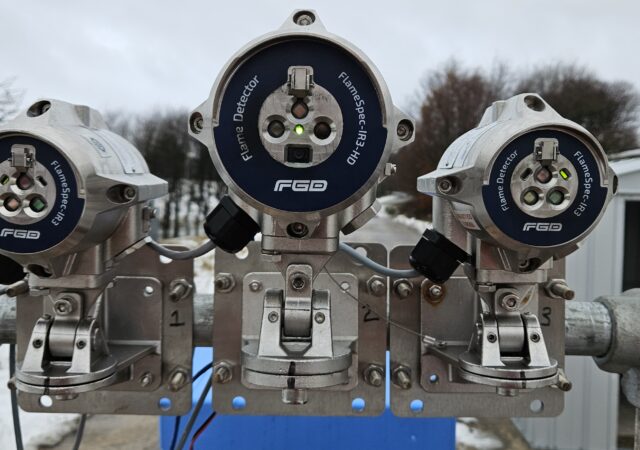
Fire protection is one of the crucial safety aspects of many hazardous industries, including oil & gas. A spill of flammable liquid or flammable gas leak, if ignited, may quickly spread with undesirable consequences for personnel, plant and reputation. To…

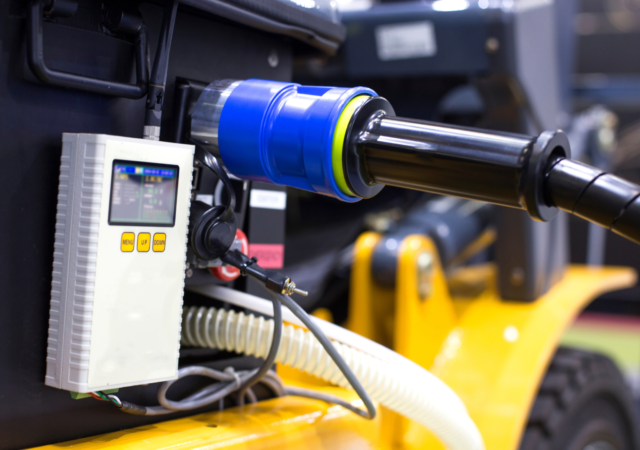
How to produce a reliable lithium-ion battery fire for optical flame detector performance assessment
Lithium-ion (Li-ion) batteries are widely used in a range of applications, from portable handheld devices, electrical bikes, scooters and vehicles, through to large-scale energy storage systems. Compared to lead acid batteries, the energy density of Li-ion batteries is close to…
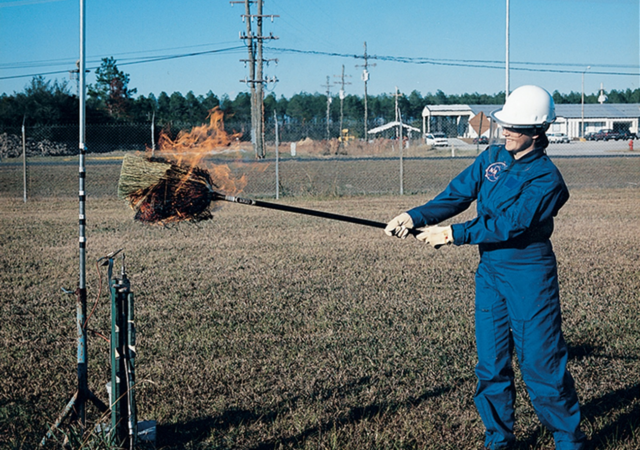
Hydrogen fire detection – broom test or flame detector?
ydrogen has the potential to help reduce our dependence on fossil fuels; however, its use is not without risk, particularly from a fire-detection perspective. In normal conditions people cannot, see, smell, or taste hydrogen gas leaks. Hydrogen, however, is very…
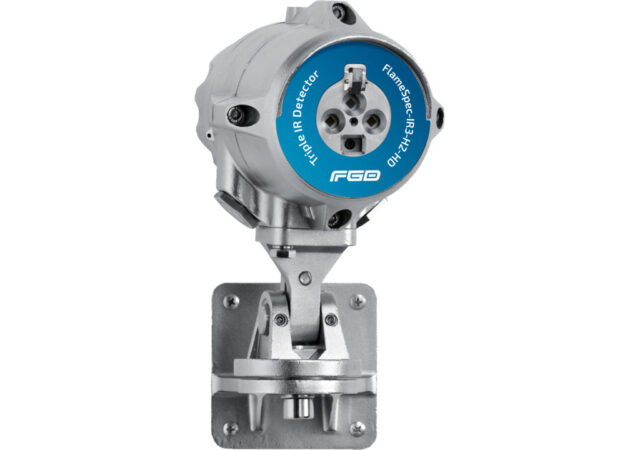
Becoming green and the challenges for optical flame detection
We are all too aware of the drivers to become greener. In some cases, the introduction of new equipment and the transition to alternative fuels is bringing significant challenges for optical flame detection. This article will highlight just a few…

True innovation in optical flame detection
Introduction According to some ‘innovation’ is a new idea, method, or product, all of which seems to apply to the FlameSpec flame detector product family from Fire and Gas Detection Technologies, inc. (FGD). True innovation is therefore an accurate or…

A cool flame detector for helidecks, aircraft hangars & road tanker loading
Fire & Gas Detection Technologies Inc. (FGD), the true innovators in optical flame detection, focus on the daily challenges that impact productivity, safety and the bottom line with innovative solutions that reduce false alarms in the most challenging of applications.…

Optical flame detection and field of view
Many flame detector manufacturers look to develop products with unique specifiable features that customers value. As part of the product development cycle, engineering specifications are developed to make it challenging for other manufacturers to match the specification. As with most…

Becoming green and the challenges for optical flame detection
We are all too aware of the drivers to become greener. In some cases, the introduction of new equipment and the transition to alternative fuels is bringing significant challenges for optical flame detection. This article will highlight just a few…

An innovative flame detector solution for helidecks and aircraft hangars
Applications that demand heightened immunity to false alarms include the use of helicopters offshore and aircraft hangars, both military and commercial. The Civil Aviation Authority publication CAP 437 ‘Standards for offshore helicopter landing areas’ has become an accepted worldwide source…

Flame detector selection Part 2 – design considerations
Part One of our flame detection guide provided some pointers for the selection of flame detectors based on the sensing technology employed. This second article sets out some design considerations for your flame detection system. Broadly speaking, these considerations fall…
Flame detector selection: Part 1 – detection technologies
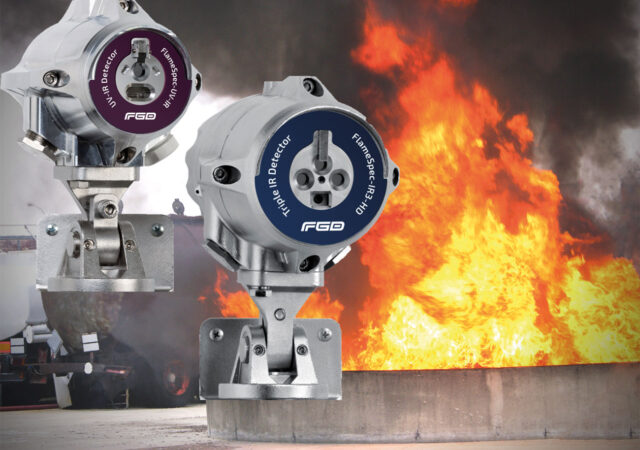
This is the first of a two-part article where we provide pointers for flame detector selection, based on the detection technologies used and application. For decades, radiant energy-sensing flame detectors have been applied as optical fire detectors for industrial and…
Flame detection performance – effective viewing distance?
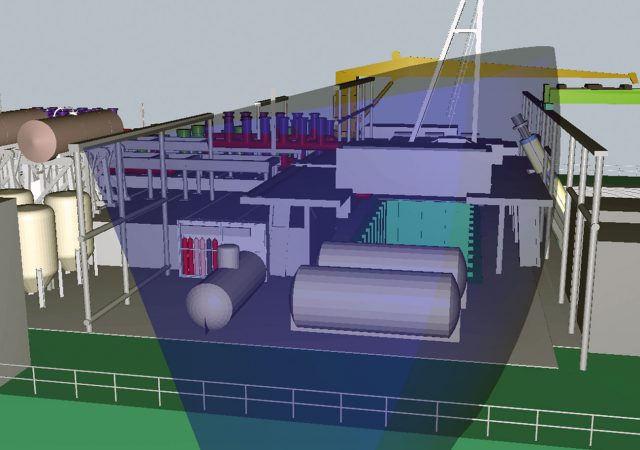
This article builds on our understanding of flame detectors developed in issue 761 of this magazine by discussing the need for a method by which “real world” detector performance can be compared. At present flame detector performance is usually measured…