
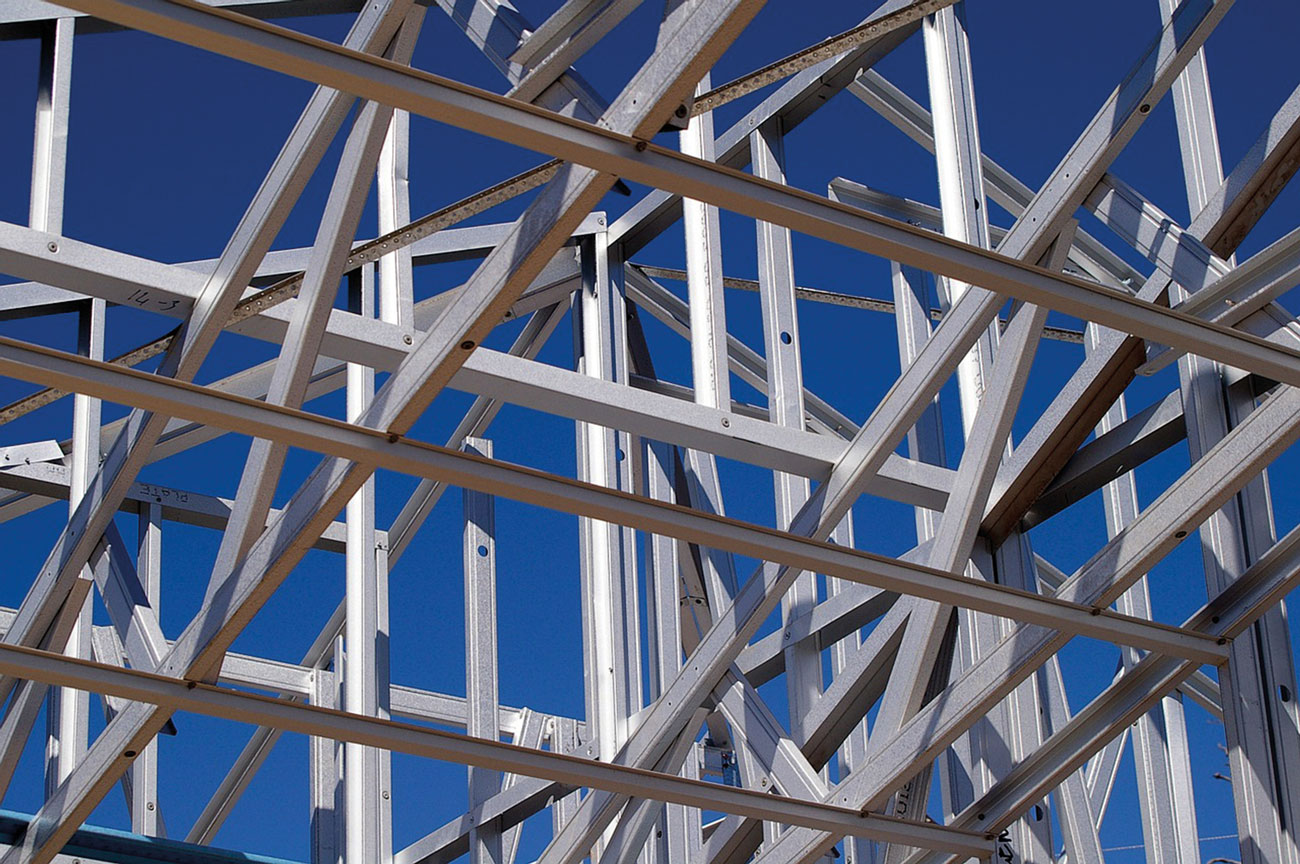
Intumescent – (lat. Intumescencia, swelling) Coatings (IC) are a special type of coatings expanding on exposure to heat and forming an insulative layer to thermally protect underlying substrates. A common problem is the sensitivity of water-based IC to cold temperature storage, limiting transportation and storage because the increased viscosity can lead to a point where the coating is no longer effective. New solutions significantly improve the storage behaviour while maintaining the fire resistance properties.
While intumescent coatings technology has been utilized for the protection of load bearing steel constructions since decades, intumescent coatings have recently been gaining more and more importance in the protection of non-classical surfaces like polyurethane foam, carbon and glass-fiber reinforced materials, thermoplastics and aluminium. Current intumescent coating technologies are mainly based on the following resin technologies
- Water-borne formulations – Vinyl acetates or vinyl versatates (copolymers) often as ethylene copolymers (WB-IC)
- Solvent-based technology – predominantly styrene acrylics (SB-IC)
- 2K Epoxy-based intumescent coatings (Bisphenol A/F in combination with reactive diluents) – (EP-IC)
- Others – e.g. solvent-free formulations like meth-acrylates (2K or 3K) or moisture-drying hybrid-types as observed in recent developments
The last two mentioned technologies can be applied in a larger temperature window and can resist stronger environmental and chemical stress. However, they tend to lack in optical appearance compared to thin-film coatings.
In addition, conventional water-borne and solvent-based thin-film formulations outperform the others in terms of material-efficiency with respect to the thermal insulation properties. Lower formulation costs and lower dry-film-thicknesses are required to achieve a comparable performance. By using thin-film intumescent coatings, architects are able to design state-of-the-art buildings with an open character
Furthermore, increasing demands on safety and regulatory compliance for building ecology (e.g. LEED; VOC and other indoor air quality parameters) have led to a shift of solutions based on water-borne formulations. This was recently also reflected in the revised Chinese standard GB14907-2018, virtually excluding the registration of new solvent-based intumescent coatings.
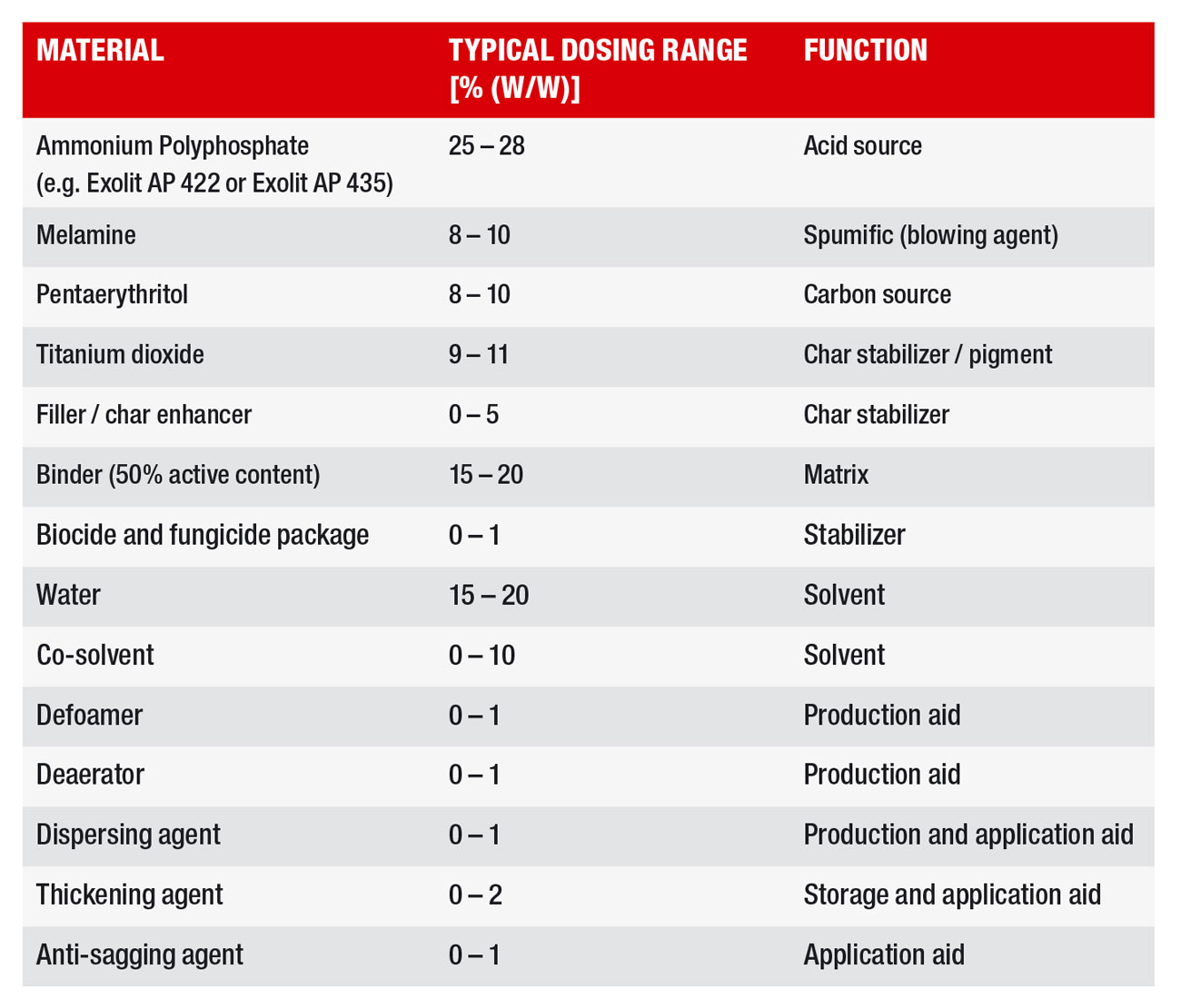
While the ecological and toxicological profile of WB-ICs is superior compared to the SB-ICs, the formulation and production of those can be more challenging, since separation and shelf-life issues at various storage temperatures are more likely to occur. The table below shows a generic WB-formulation with its ingredients and their functions:
The exact composition of the highly filled, usually over-critically formulated coating is essential to fulfil maximum performance on stability and applicability. In addition, our own analyses have revealed that the fire-resistance performance of the char also greatly depends on the additives used. For example, the fire resistance of a water-based formulation dropped by more than 10% when the established ammonium-acrylate based dispersing agent (0.2% by weight) was replaced by a different additive. But also, material properties can greatly be affected by the choice of additives. For example, when alkyl ammonium salts were used in the formulation, the ability to apply an overcoat was lost. The utilization of an alkyl polyethylene oxide and polypropylene oxide block copolymer led to a strongly foaming coating.
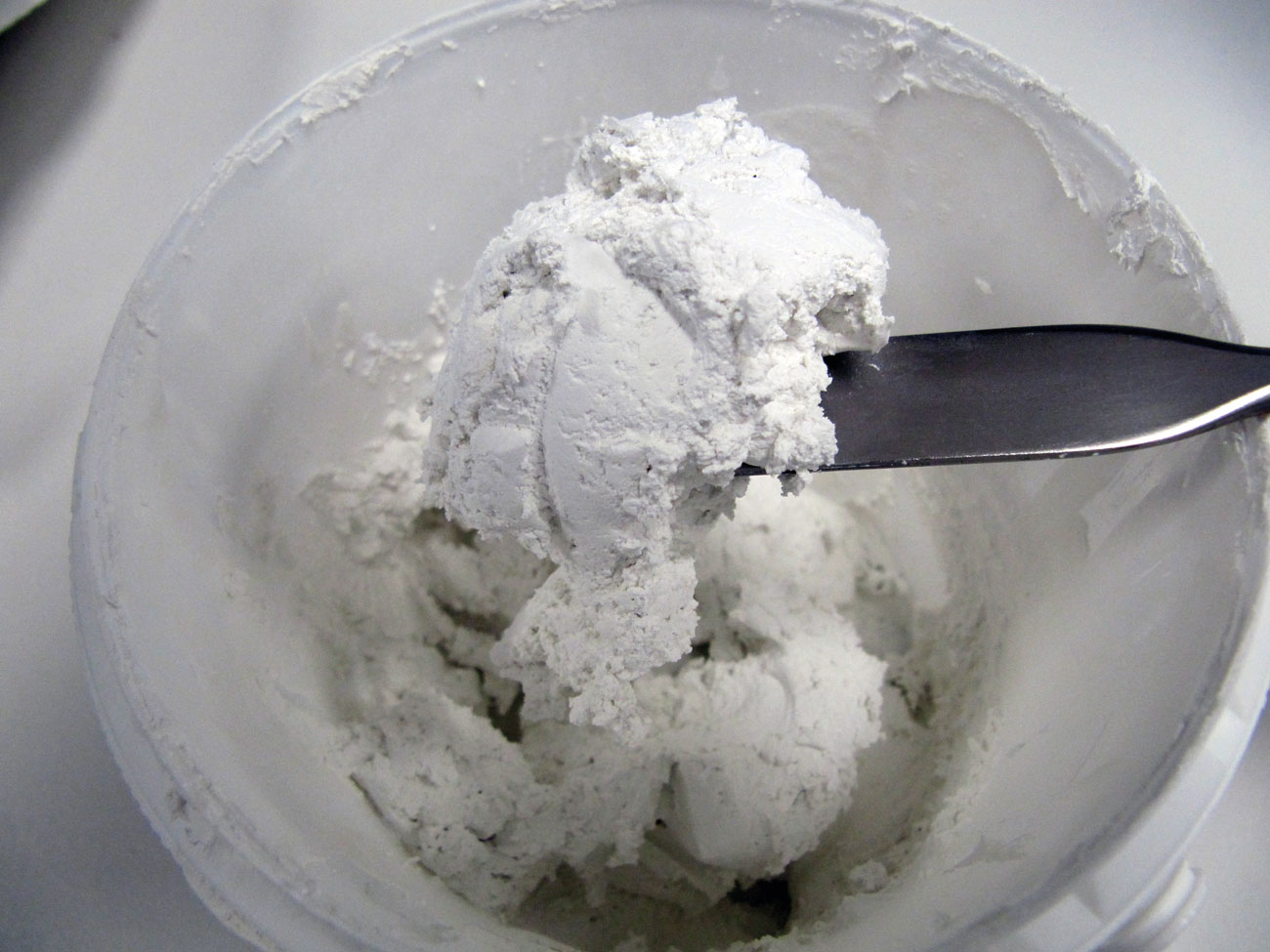
Cold-temperature storage and rheological behaviour
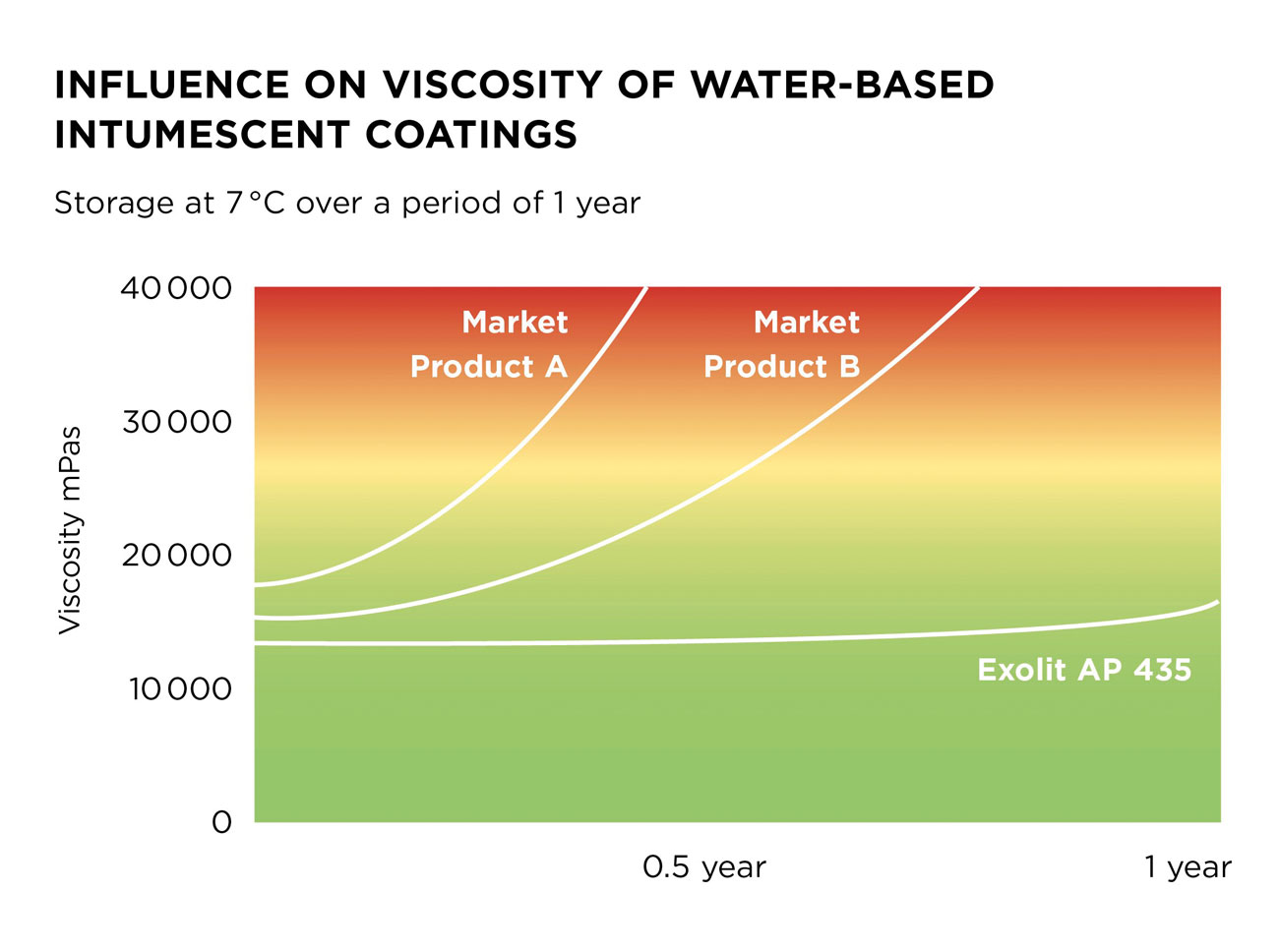
A common issue is the sensitivity of WB-IC towards cold temperature storage, which limits transportation and storage possibilities. While (below) freezing temperatures usually have a catastrophic impact on the material properties, also prolonged storage at non-freezing temperatures (2-7 °C) will in most cases lead to an irreversible increase in the viscosity to a point where the coating cannot be applied anymore (fig. 2). Even high shear mixing of such affected materials could not turn them into applicable coatings again.
While sedimentation and or a property change in the thickening agent is usually a reversible process, which can be overcome by re-stirring of the coating in the pale on-site and slight dilution with water, cold-storage damage is an irreversible process that might ultimately result in a total material loss, disposal costs and production delays.
As figure 3 shows, the short-term stability is not affected by low-temperature storage. However, after a timeframe of 2-3 months the viscosity of the formulation increases rapidly. The reason for this deterioration process is not yet completely understood. It is most likely that the stabilization of the resin dispersion is disturbed by the addition of the filler-like materials in high concentration. Ammonium polyphosphates are poly-electrolytes having a highly loaded surface area which tends to coordinate, especially ionic, surface active agents required for the dispersion stabilization process. In addition, to increase weathering and durability properties aqueous binder dispersions are often formulated to a point where the least amount of surfactant is added. The finely balanced dispersion of a water-borne intumescent coating can therefore easily be disturbed by the presence of ammonium polyphosphates.
Exolit AP 435 is Clariant’s new halogen-free solution to tackle this wide-spread issue of water-borne intumescent coatings during cold-temperature storage. It enables the formulation of a coating that remains stable under cold temperature storage conditions, which can help to reduce the transportation and storage costs, by not having to rely on heated trucks and warehouses. The production process and composition of Exolit AP 435 prevents the typical accelerated thickening due to cold-temperature storage caused by ammonium polyphosphate. In addition, the viscosity of aqueous dispersions will be reduced, allowing it to formulate with higher pigment volume concentrations (PVCs).
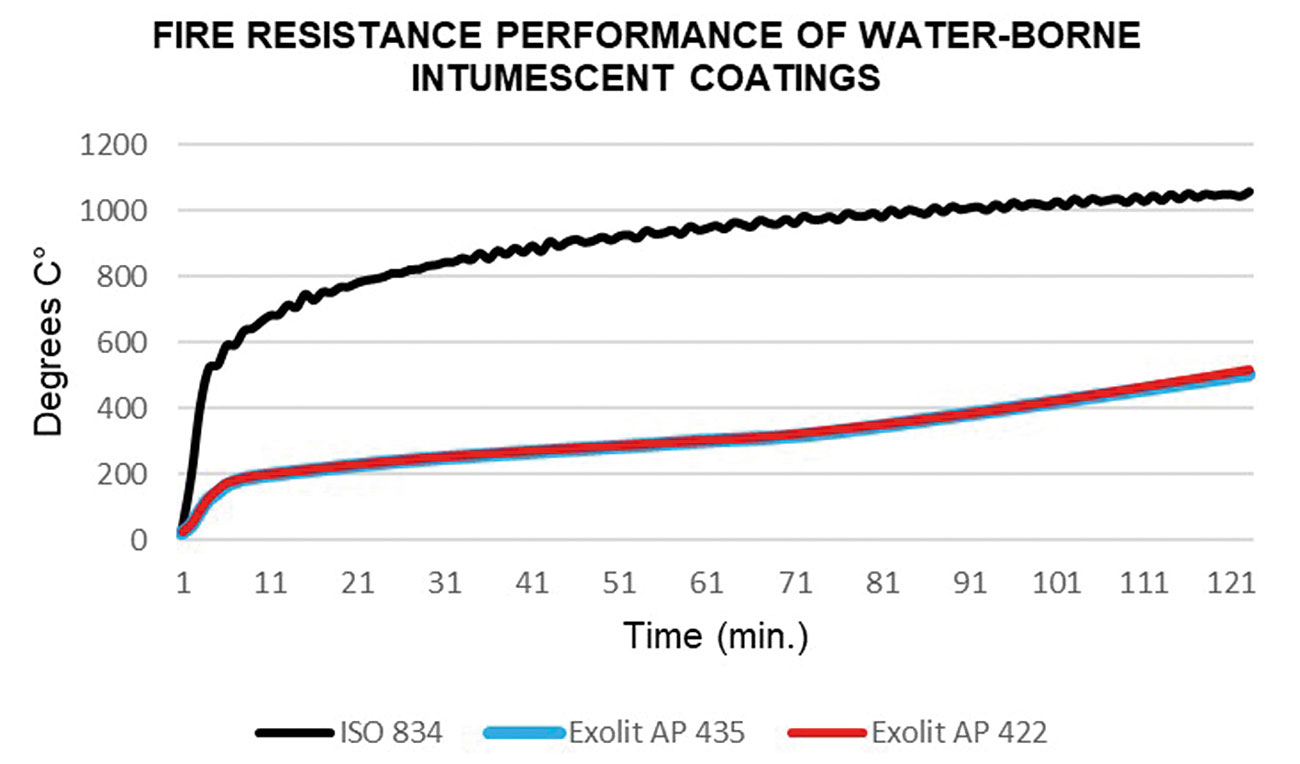
More importantly, tests (fig. 4) demonstrated that the fire resistance was maintained, when Exolit AP 435 was incorporated into conventional formulations as shown in the graph (2000 µm DFT, ISO 834, test according to DIN 4102 Part 8).
The halogen-free solution is particularly suitable as an ”acid donor” for intumescent coatings thanks to its low water solubility. Steel structures coated with intumescent paints can meet the requirements of fire resistance classes specified in EN, DIN, BS, ASTM and others. Their application on wood or plastics enables these materials to qualify for the European Building Material Class B (DIN EN 13501-1). But it also imparts a good flame-retardant effect to adhesives and sealants when it is incorporated into the base formulation at the rate of 10 – 20%. Furthermore, it can be used for polyurethane foams, cellulose-containing materials (such as paper and wood products) and as an essential component in intumescent formulations for thermoplastics, particularly polypropylene, for which the classification UL 94-V0 is specified for applications in the electrical sector. In the case of thermosets like epoxy resins and unsaturated polyester resins, it paves the way for the production of lightweight components with low solids content.
Exolit AP 435 not only supports the global trend towards water-borne intumescent coatings, but its favorable environmental and health profile also enables obtaining e. g. certificates of the “Leadership in Energy and Environmental Design” or other certifications according to ISO 16000. The product has been awarded the Clariant EcoTain label due to its excellent sustainability properties such as the low VOC emissions level and its biodegradability (by breaking it down to naturally occurring phosphate and ammonia).
Disclaimer: The performance of a product depends on the conditions of use. Users should always determine the suitability of a product for its particular application prior to use.
For more information, go to www.clariant.com or www.exolit.com
About the Author
Dr. Andreas Termath holds a degree in organic chemistry and received his doctorate in the field of asymmetric total synthesis at the University of Cologne. He currently heads Clariant’s technical service unit focusing on flame- and fire-resistant coatings.

You must be logged in to post a comment.