
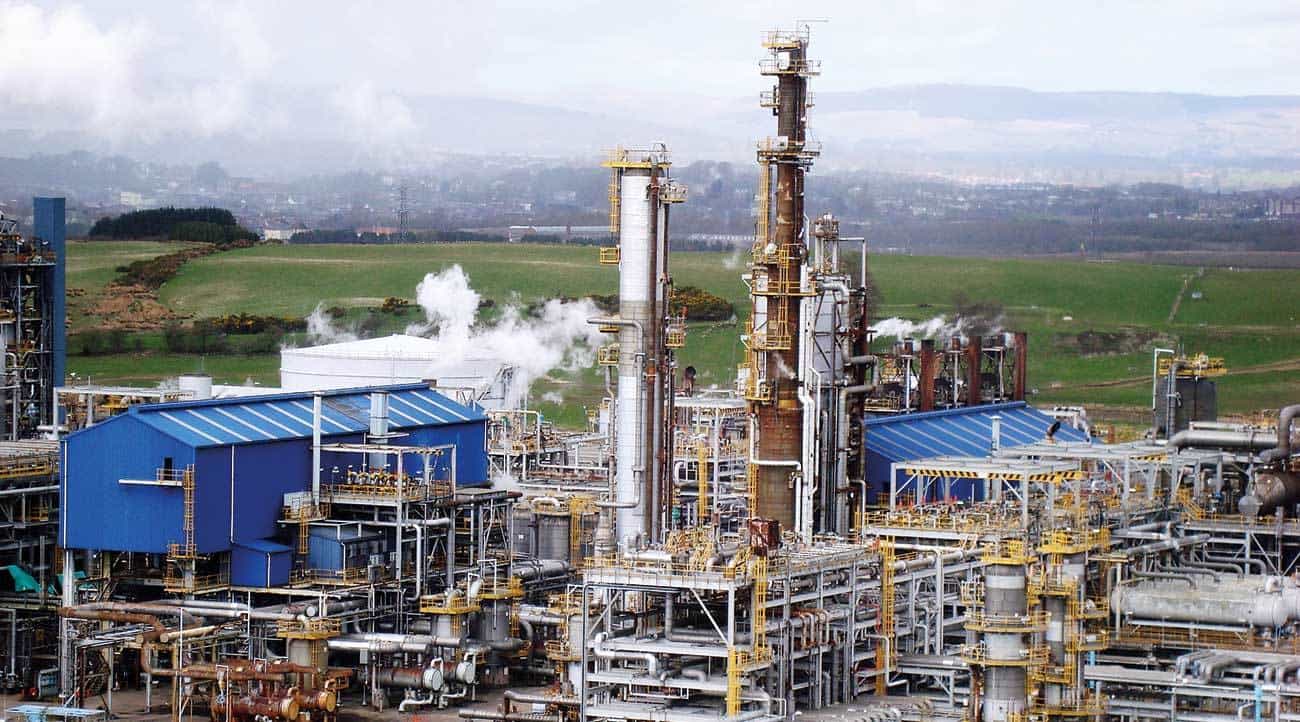
Hazardous materials are substances which can cause death and injury, as well as damage to properties and the environment. There are numerous incidents of hazardous material releases every year. These releases may be airborne, or spills that contaminate water, soil and communities. Airborne hazards affect outdoor areas, but they may also permeate buildings and affect people indoors.
Hazardous material releases lead to evacuations of areas and buildings in a majority of cases, however, depending on the hazard, release pattern, weather, and other factors, it may be advisable to stay indoors or shelter in place. Most incidents result from accidental releases of toxic industrial or agricultural chemicals and happen during regular operations at fixed facilities. Airborne releases draw more attention due to their potential to negatively impact large areas. Dispersion of airborne releases is influenced by the release location, mechanism, chemical properties, weather and geography. Modeling and simulation tools are used to analyze and predict the dispersion of releases using inputs from reports, observations, monitoring devices and gas detection systems. These tools help determine the dispersion area and associated concentrations. These concentrations are then used to assess the risk to the population, environment and property in the affected areas. Incident management personnel use these types of models and simulations to predict the impact of releases, allocate resources, plan response operations and determine evacuation routes.
Bhopal, India is well known for what was called the worst industrial accident in history. On December 3, 1984, approximately 45 tons of methyl isocyanate escaped from an insecticide manufacturing plant. The gas drifted over the densely populated communities around the plant, immediately killing thousands of people and creating a panic as thousands of others attempted to evacuate the area. The final death toll was estimated to be up to 20,000 people and an estimated half-million survivors suffered a variety of maladies resulting from exposure to the toxic gas. In June of 2011, at Tyson Foods Inc., in Springdale, Arkansas, chlorine gas was released after the accidental mixing of two chemicals. Sudden exposure to chlorine gas can bring on coughing and choking spasms, severe chest discomfort, vomiting and other symptoms, and in severe cases, the lungs can fill with fluid. The accident resulted in the evacuation of about 300 workers, the exposure of 173 people and 50 people sent to nearby hospitals, including 5 that were treated in intensive care. Evacuations are more common than many people realize. Fires, floods and hurricanes frequently cause evacuations. In addition, hundreds of times a year, transportation and industrial accidents release harmful substances, forcing many people to leave their homes. In some circumstances, local officials decide that the hazards are serious and require mandatory evacuations. When community evacuations become necessary local officials provide information and recommended evacuation routes to the public through the media. In some circumstances, other warning methods, such as sirens, text alerts, emails or telephone calls are used.

In January 2013 it was reported that close to 40,000 pounds of benzene was accidentally released into the atmosphere at the Shell Oil facility in Deer Park, Texas. Inhalation exposure to benzene can cause drowsiness, dizziness, headaches, as well as eye, skin, and respiratory tract irritation, and, at high levels, unconsciousness. Long-term exposure can cause disorders in the blood, reproductive effects and increased incidences of leukemia. This Shell Oil refinery produces gasoline, jet fuel and diesel and their chemical plant produces products, such as ethylene, benzene, toluene and xylene. In response to the release incident Shell agreed to spend $115 million (USD) to control harmful air pollution, and paid a $2.6 million civil penalty. This case is part of a United States Environmental Protection Agency enforcement effort to protect the health and safety of fence line neighborhoods by significantly reducing toxic pollution and making emission information quickly available to affected communities. Shell also agreed to spend $1 million on a state-of-the-art system to monitor benzene levels at the perimeter of the plant which is located near a residential neighborhood and school.
Health and safety specialists use advanced test equipment and fixed gas detection systems to monitor facilities, areas and fence lines like this, to prevent harm to property and the public, in a variety of applications and environments. Gas detectors are generally available in two different types; portable which are handheld and are used for personal safety, and fixed which are permanently installed in and around a given facility. Portable gas detectors are also classified as “personal safety instruments” as they ensure detection of toxic and flammable gas hazards in the immediate vicinity of the wearer or user. Fixed gas detection systems are installed in oil and gas refineries, chemical plants, waste-water treatment facilities, steel mills and similar applications. There are many fixed gas detection technologies available to help provide measurement, protection and communications for flammable, toxic and oxygen gases. Many of these instruments are “intrinsically safe”; or incapable of igniting an explosive atmosphere by either spark or heat. This equipment is used by operators and health and safety specialists to maintain safety during operations, to report the presence of gases and to activate alarms or associated equipment.
Strict government regulations and growing demand for safety measures are driving forces for the development of sophisticated tools and complex networks to control emergency situations. Technologies like “smart buildings” are being launched in the fire and security systems market. Intelligent detection systems and wireless mesh networks consist of spatially distributed independent gas detectors that monitor air quality conditions and cooperatively pass their data through the network to a main location. Remote users can also access these intelligent fixed gas detection systems by connecting through building automation systems and computer networks. These commercial building automation systems (BAS) collect vast amounts of data through the sensory network and employ computing and digital communications tools. This data can be used to maintain a building’s climate, energy efficiency and lighting, and also to ensure the security and safety of a building. Other software products include advanced process controls and manufacturing execution systems. These systems help in identifying and collecting data regarding any changes or problems in a facility or production process. Related emergency response components of a BAS include public-alert, voice evacuation, emergency lighting and secure communication.

Building automation systems can improve the strategic decisions made by hazardous material response teams. Public safety agencies deploy resources and solutions to protect the public and property, and to limit the effects of release of hazardous material catastrophes. The challenges faced by first responders managing hazardous material releases are numerous. Communication networks can provide critical and accurate information for police and fire departments regarding a crisis and enhance the response time. Immediately upon learning of an emission first responders need to know when the material was released, what material has been released, how that material reacts upon release, and how weather conditions will impact the release. All of these factors will play a part in the plan first responders implement to protect the response team, the facility and the surrounding community. Facility building automation systems, sensory input and software solutions can enhance the tactical decision-making abilities of chemical emergency response teams. These systems help to make good response decisions before, during and after an incident. By using available meteorological and fixed gas detection system data, dispersion modeling tools can provide real-time status reports as well as project future developments.
A number of dispersion modeling tools exist across federal agencies, universities and commercial companies. New technologies, software, years of data and analysis have facilitated the development of modeling programs that address chemical release, evaporation, building infiltration and dispersion. Release rate illustrations from plume modeling and plume measurement are used to produce clear out computer imagery for incident commanders. Gas dispersion models estimate pollutant concentrations downwind from an accidental chemical release where the dispersing substance is heavier than, equal to or lighter than air. These models account for point sources and release durations, either finite or continuous, and estimate concentrations downwind from accidental chemical release. Also critical in addressing an incident is acquiring weather data and weather reports uploaded in real-time from the internet or local weather station. Mapping software and global positioning technology, used with facility monitoring and gas detection data, aids in determining emissions, source locations and movements in and around a facility.
Industrial accidents can release hazardous substances which force workers to leave their jobs and people to leave their homes due to mandatory evacuations. Real-time information from round-the-clock monitoring and fixed gas detection can improve situational awareness and facilitate quick decisions regarding command posts locations, road closings, and evacuation routes or shelter-in-place responses. When community evacuations become necessary local agencies provide information and recommended evacuation routes to the public through the media or other warning methods. Rapid, well informed assessments can save lives and better protect surrounding community by enabling more timely and effective response to emergencies. These systems provide compliance with local and federal regulations, and greater awareness and preparedness in advance of a potential incident. After the incident the response measures can be effectively investigated, validated and defended with detection, monitoring and modeling data.
For more information, go to www.aerionics.info
About the Author
Steve Bonino is the Technical Manager at Aerionics, Inc., manufacturers of Macurco gas detection equipment. The Macurco product line features a broad range of fixed and portable gas detection products for fire & security, HVAC and building automation systems, and for personal safety and hazardous environments.
