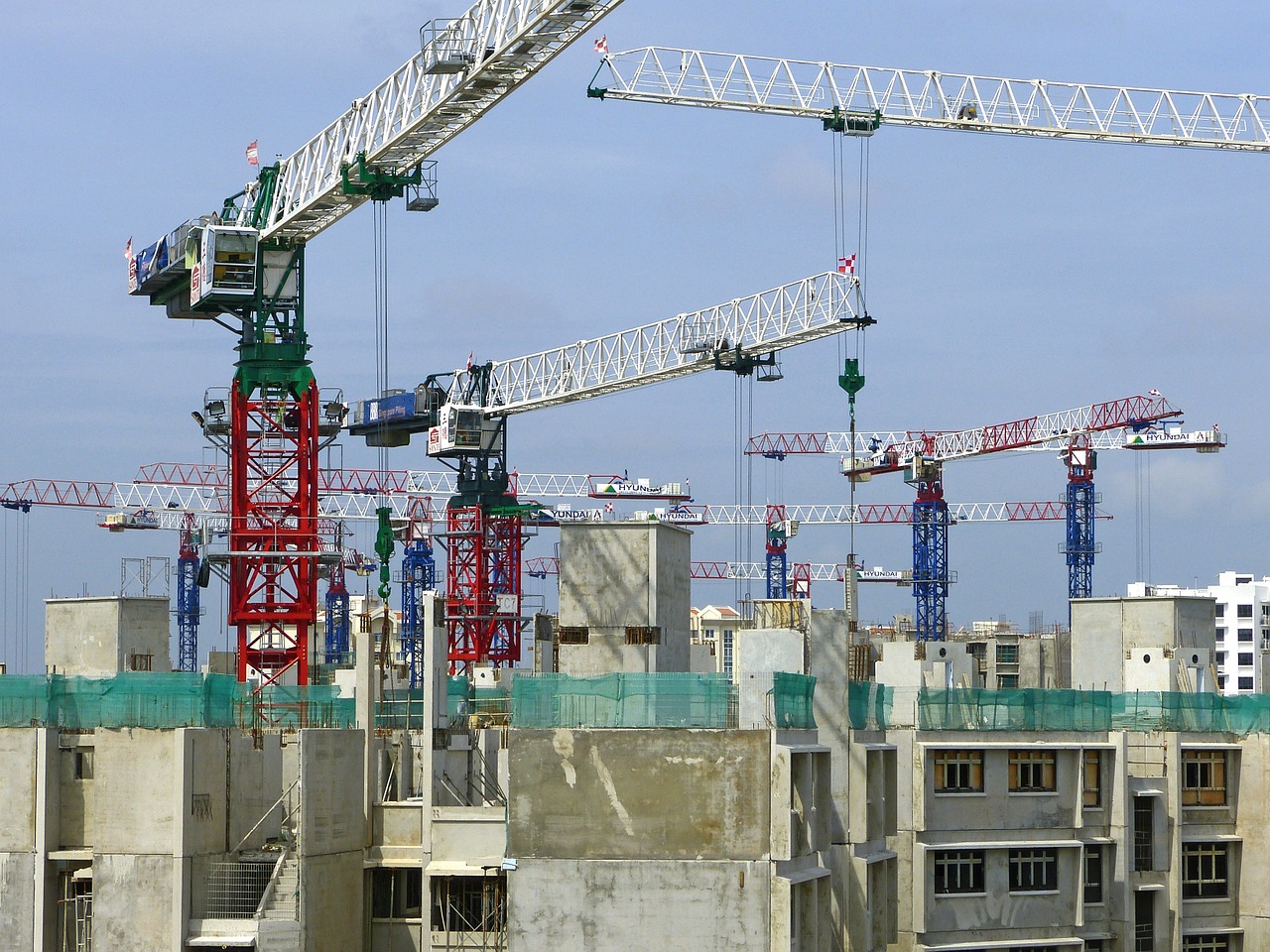
The reports and reviews of cladding fires around the world have highlighted, not only that there is a combustible cladding problem but that there also appears to be a systematic breakdown of the construction process and the regulatory approval process.
The Grenfell Tower inquiry, and other reviews undertaken in relation to other cladding fires around the world, all agree in their criticism of the entire construction process chain. This criticism included architects, building owners and developers, the tendering process, product and materials purchasing, the actual construction, the testing and certification process and industry, marketing methods and the regulatory approvals and inspection process.
I strongly recommend to all of those involved in any facet of the construction industry, and in particular the fire-protection industry, to listen to the Grenfell enquiry podcast. It is very well put together and interesting podcast and not in the least dry or boring. The information that was revealed at the Grenfell Tower inquiry was sobering and disturbing. In some instances, absolutely jaw dropping!
At the core of providing safe buildings is the building regulatory system. These regulations set out how a building is to be constructed so that it is structurally sound, provides the appropriate health and amenities and will mitigate the impact of fire on the building, its occupants and emergency services.
Like all referees, be it sport or building regulations, those that have to enforce the ‘rules’ have an unenviable task and responsibility. Again, like the commentary on the performance of a sports referee, many commentary hours are spent by those in the construction and fire-protection industries of the frustration of the regulatory process, the seemingly daft requirements, discussing interpretations of building regulations and the frustrations of dealing with the Authorities Having Jurisdiction that must implement and police these regulations.
I remember when I was responsible for drafting fire regulations, the inordinate amount of hours, days even, of the time spent writing, reviewing, rewriting and getting stakeholder reviews. This was not in relation to if the regulation intent was appropriate but in creating the right words that would not create a loophole or a purposely constructed misinterpretation to allow someone to avoid complying with a regulation. This takes more time than the actual writing of the regulation principles itself! And I guarantee – as soon as it is published, someone finds a loophole or different interpretation. There have been numerous times in meetings or at conferences where a speaker has provided, with the utmost confidence, the intent of a regulation that I have been part of the process, with others, in writing and have been amused to think ‘no that is not what those around the table had in mind’.
The fire-protection industry accepts that the building regulations serve an important purpose. They understand that their products and materials must be used in compliance with the regulations. They accept and understand that their products and materials must be tested to technical standards to ensure that they perform as intended. In many instances there is also a certification process required. The testing and certification process is arduous and expensive but necessary to ensure that the building regulations provide building and other structures, and their occupants and users, with the protection from fire that society expects.
The testing and certification process is only the tip of the iceberg. There are enormous amounts of time and money spent on research and development even before the testing and certification process begins.
I have been involved in the fire-protection industry all of my career as a professional fire fighter, regulation drafter, with approval bodies, fire testing and certification organisations and a member of building-related judiciary bodies and now as a consultant.
I have been fascinated and proud of our industry that exists, along with other emergency services, with the sole purpose in protecting lives. It is a relatively small world, and I can say that the vast majority of those involved, although commercially competitive, are by nature comradely and good willed. They also understand the impact of fire and it’s often-terrible consequences. This is what binds the industry together.
My favourite example was of a charity auction to raise money for the Fiona Wood Foundation burns unit in Western Australia. It used to be held at the annual Fire Protection Association of Australia annual conference dinner. The highlight of the auction was a firefighter’s brass helmet. The two largest fire-protection companies in Australia would good naturedly bid against each other for the privilege of taking home the brass helmet. As the bidding rose between the organisations, the entire room would be laughing and cheering on as the companies bid against each other, with the winner paying far in excess of the true value of the brass helmet. These companies would display the helmets they had won over the years in a ‘trophy cabinet’ in the foyer of their respective corporate head office.
The fire-protection industry, and other emergency services, have always been aware of the importance and responsibility of their products and services in keeping people, property and emergency service personal safe from fire.
It is a responsibility that is inherent in the fire-protection industry, as seen in other industries such as medical, security, welfare, legal etc. and is evidenced by the brass helmet auction and other typical examples of goodwill and charity events involving the fire-protection industry around the world.
This ‘inherent’ responsibility is sorely tested from the revelations of the Grenfell Tower inquiry and other reviews. Nobody is expecting a commercial entity not to grow income or improve profits; this sustains the prosperity and wellbeing of our society. But we must not forget or forgo our inherent responsibility of fire protection.
About the Author

John has over 40 years of senior executive experience and technical leadership in the testing, certification, fire and building industry. He has a unique background starting as a professional firefighter with the Melbourne Fire Brigade, building surveying and senior roles with the Australian Building Codes Board, Building Research Association of New Zealand, Commonwealth Science and Industrial Research Organisation and Norman Disney and Young. These roles have taken him through building code reform, fire research, emergency management planning, product testing, product certification/accreditation, change management, international building code development, investigation and assessment, fire safety engineering consulting, risk engineering and business development in Australia and internationally.