
Protection against fire is a key consideration in building design and construction, and much research and development effort has been focused in this direction. Floor layout, escape routes, fire-doors and sprinklers are some of the active measures currently employed to suppress or slow the spread of a fire, as well as buying time for escape.
Alongside these are more passive measures such as penetration seals, fire collars, extraction systems and inorganic intumescent coatings. Many modern buildings use steel as their core component and intumescent coatings are vital to protect the steel from the effect of fire. In short, they help maintain the structural integrity of the building for as long as possible to enable those inside to escape.
The temperature of a cellulosic building fire can reach 500°C in minutes and this is also the temperature where steel tends to lose its strength and rigidity. When this happens the building itself is in danger of collapse and potentially trapping those left inside. In these circumstances, the role of an intumescent coating is to insulate the steel from the heat of the fire and to prevent it – for a specified period of time – from reaching a temperature where its strength has been compromised to the point where it can no longer support the load of the building. Doing this will effectively buy some time to facilitate the escape of anyone inside the building.
An intumescent coating is applied directly to the steel in thin layers where it remains inert at normal ambient temperatures. When the temperature rises to around 200–250°C, the coating will begin to expand to as much as 50 times its original thickness. The swelling is a result of a complex chemical reaction within the coating that comprises a mix of binder system, catalysts, carbon source, inorganic pigments and blowing agents. Together, this creates an expanded char that incorporates millions of microscopic gas cavities within an inorganic and carbonaceous matrix. In effect, the coating morphs into an expanded layer with low thermal conductivity properties that insulate the steel beneath.
Intumescent coatings are tested and certified against a range of international standards which differ from country to country and their effectiveness is measured on the period of time the steel will retain around 50% of its structural strength in the event of a cellulosic fire. Protection usually ranges from 15 to 120 minutes but can be much longer in certain circumstances. For example, Hempel’s Hempafire Optima 500 intumescent coating is optimized for 120 minutes of passive fire protection against cellulosic fires but has additionally been tested up to 180 minutes according to BS-476 20/21 and the ApplusFire third-party certificate. It is ideally suited to hot and dry climates and has been formulated specifically for application in these environments, making it the coating of choice in regions such as the Middle East and beyond.
In these high ambient temperature climates, this product retains the high dry film thickness (DFT) required to deliver adequate protection. It is specifically optimized for those steel sections most commonly used in large civil infrastructure projects such as I-beams, I-columns, hollow beams (RHS), hollow columns (CHS and RHS) and cellular beams, allowing more freedom of design on ever more exciting and interesting structures. As the coating can be applied at a higher DFT per coat, projects can also be completed with fewer coats, therefore, saving opportunities in time, labour and overall project costs.
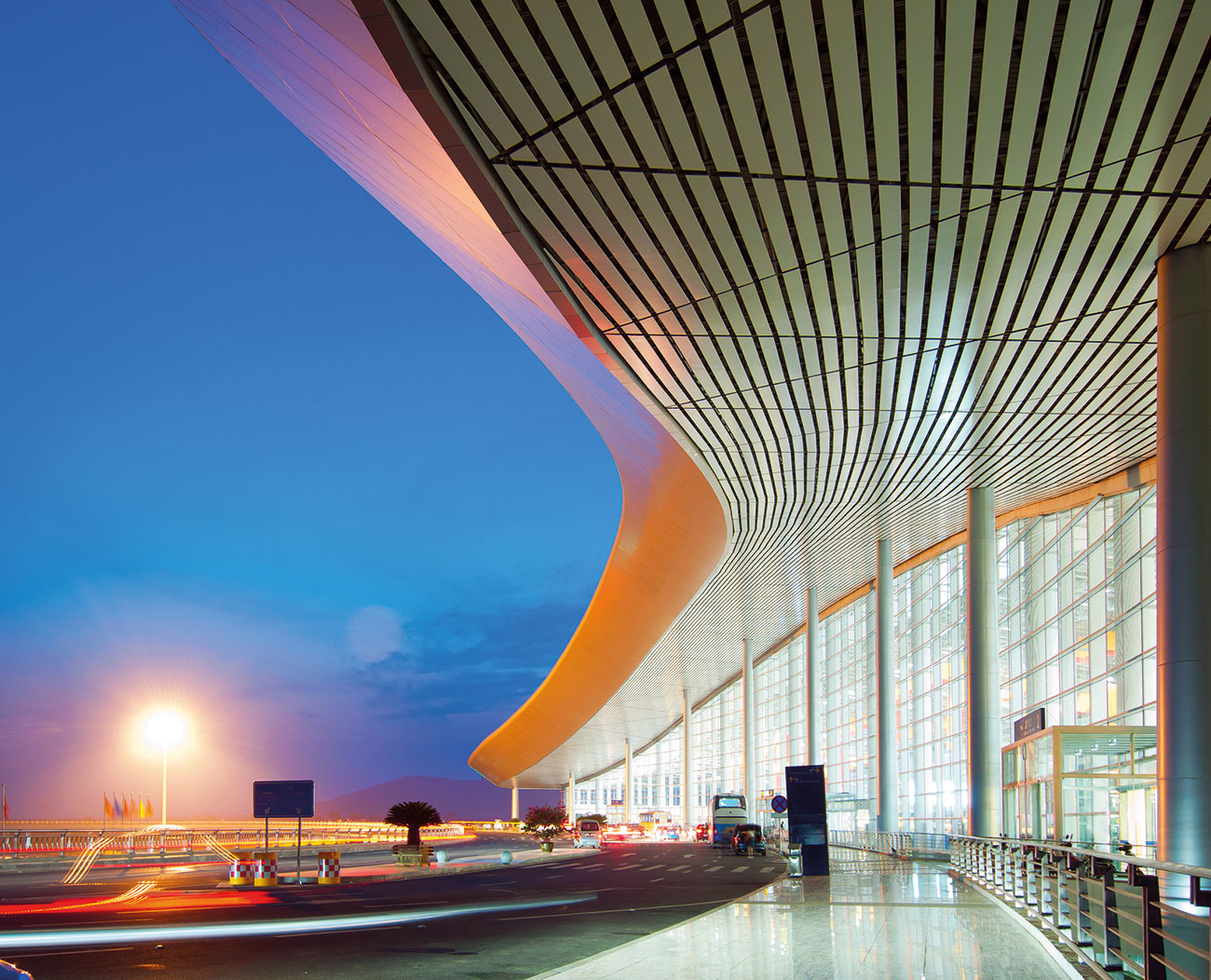
An intumescent paint will be applied as part of a coating system. This generally includes a primer to protect against corrosion but also to enable the char to stick to the steel in the event of fire. The system is completed with a topcoat to give the decorative finish and to protect from weathering. As these coatings are applied inside residential and commercial buildings, their aesthetic appearance is important, and a smooth finish is required to reduce the need for cleaning and maintenance. Hempafire Optima 500’s robust application properties and high solids content mean there is less tendency for defects and so it dries with an even, smooth surface. This enhances the appearance of the exposed steel and achieves the contemporary look that is seen in many modern airports, stadiums and other landmark buildings.
When considering ease of application Hempafire Optima 500’s high DFT properties deliver hold-ups per coat of up to 900µm which reduces sagging. Additionally, optimized drying times combined with excellent application properties and using traditional spray machinery, means it is particularly suited to in-shop applications – particularly if used in combination with primers and topcoats. In most conditions, the entire three-coat solution can be applied in less than 24 hours.

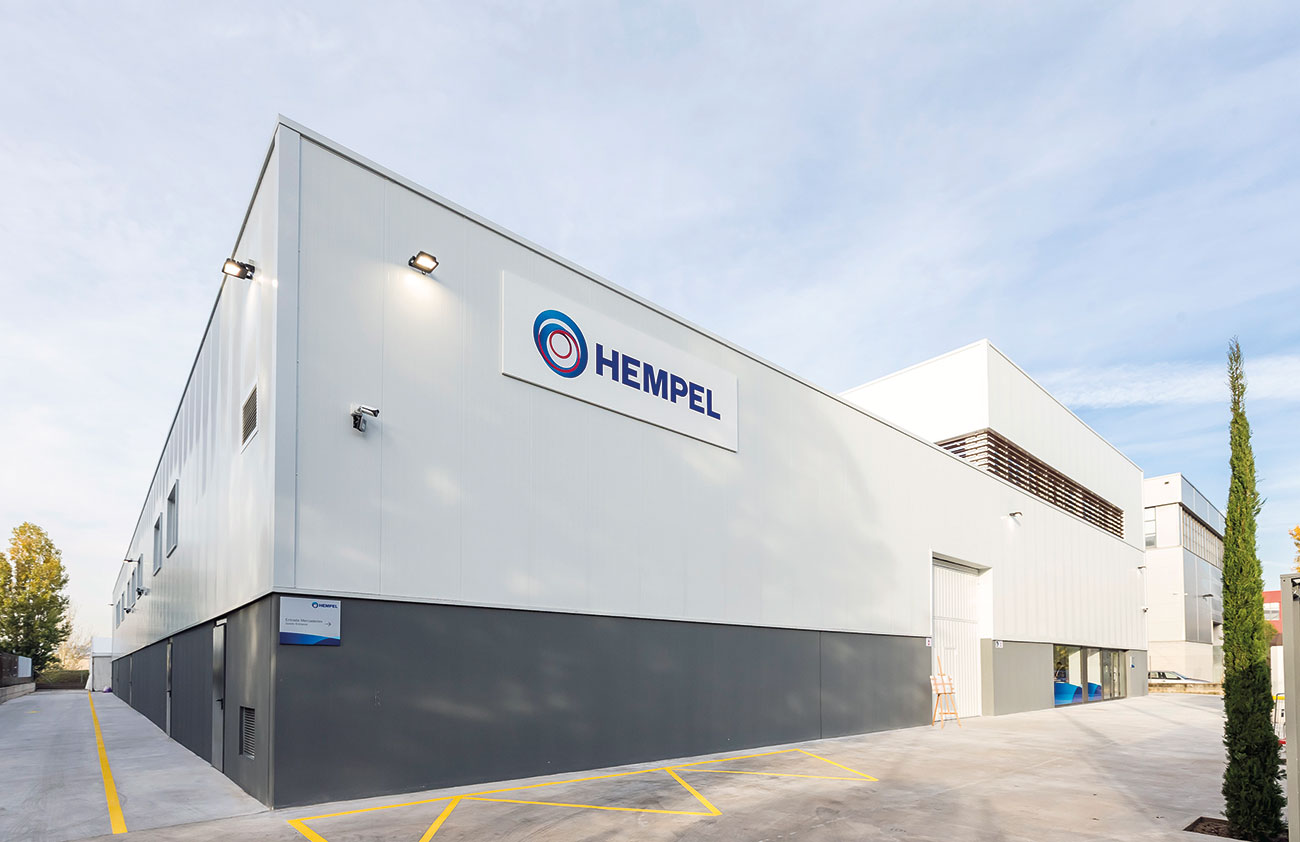
The choice of a passive fire-protection solution is complex. Whilst its primary purpose is to protect the steel from losing its structural integrity in a fire, the solution must also protect from corrosion, be easy to apply as well as aesthetically pleasing. It is often helpful to call on an expert for advice and Hempel offers this service from its fire-protection headquarters in Barcelona and through a network of global fire experts. Hempel’s teams of scientists, technicians and applicators are continuously working on fire-protection projects within this new state-of-the-art laboratory.
Increasingly, large buildings are being constructed from steel and many are filled with people for much of the time. Their safety is paramount, and all measures must be taken to ensure they have the best possible opportunity for escape should a fire break out. Choosing the optimum fire-protective coating is just one part of the solution – but it is an extremely important element which has the potential to protect many lives.
For more information, go to www.hempel.com
About the Author
Scott Fretwell is Group Business Development Manager, Cellulosic PFP at Hempel A/S.

You must be logged in to post a comment.