

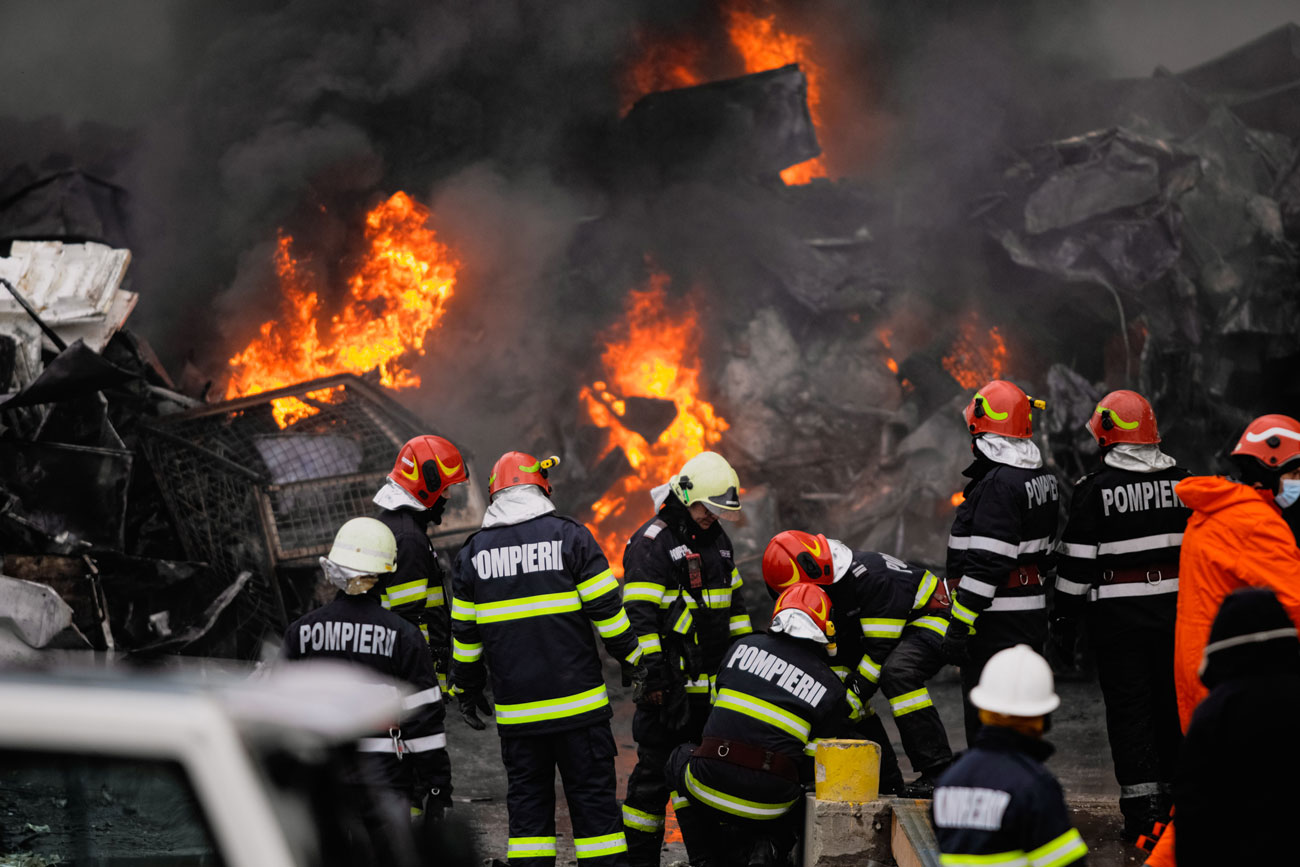
Waste and recycling plants present their own specific challenges in terms of effective fire detection. The scale of the problem is illustrated by the figures: UK fire and rescue services attend around 300 of what they identify as ‘significant fires’ in waste and recycling sites each year.1
While many facilities are operated by licensed companies who adopt risk management and hazard prevention measures that meet the required standards, others are illegal and have little or no regard for health and safety. This is certainly a factor in contributing to the number of waste site fires, which are often difficult to extinguish and require significant fire service resources over long periods. There are also the additional consequences to consider, including potentially serious effects on public health, the environment, firefighters’ safety and local communities.
The WISH Code of Practice
Any facility storing more than 50m3 of waste is subject to the ‘Reducing Fire Risk at Waste Management Sites’ Code of Practice operated by the Waste Industry Safety & Health (WISH) forum. This extract from the Code illustrates one of the main methods being adopted to help reduce the threat of fire: ‘thermographic cameras are becoming more economic to purchase and are also becoming more common in use on waste management sites. Such cameras can be used as part of routine inspections to identify electrical faults, over-heating equipment and other potential ignition sources. They can also be used during fire watches after hot-works, such as welding. Many waste operators who have invested in thermographic cameras enthuse about them and find them a useful tool in many areas, whether fire related or not.’2
Combustible processing
Waste sites typically process mixed recyclable waste, which is collected, sorted, stockpiled and processed from a number of materials, including plastics, paper, cardboard, wood and rubber. Such waste products are highly combustible and susceptible to potential ignition from the processing machinery through which it is handled.
The fire detection systems employed in such harsh and hazardous environments need to detect both quickly and reliably, given the small window that exists to react and prevent a small fire becoming a potentially major incident. Other factors to consider are the need for minimum long-term maintenance and, importantly, minimising unwanted alarms.
The need for such systems is clear from the number of incidents occurring. This relates to the protection of life as well protecting the site itself in terms of its buildings, plant and machinery. Central to the plant used in such facilities are the conveyors used to transport waste around the site. Conveyor systems in general are a potential fire risk due to external events and equipment failure but when they are carrying highly flammable materials, including products with the potential to self-ignite, they become an exceptional hazard.
Infrared systems from Patol
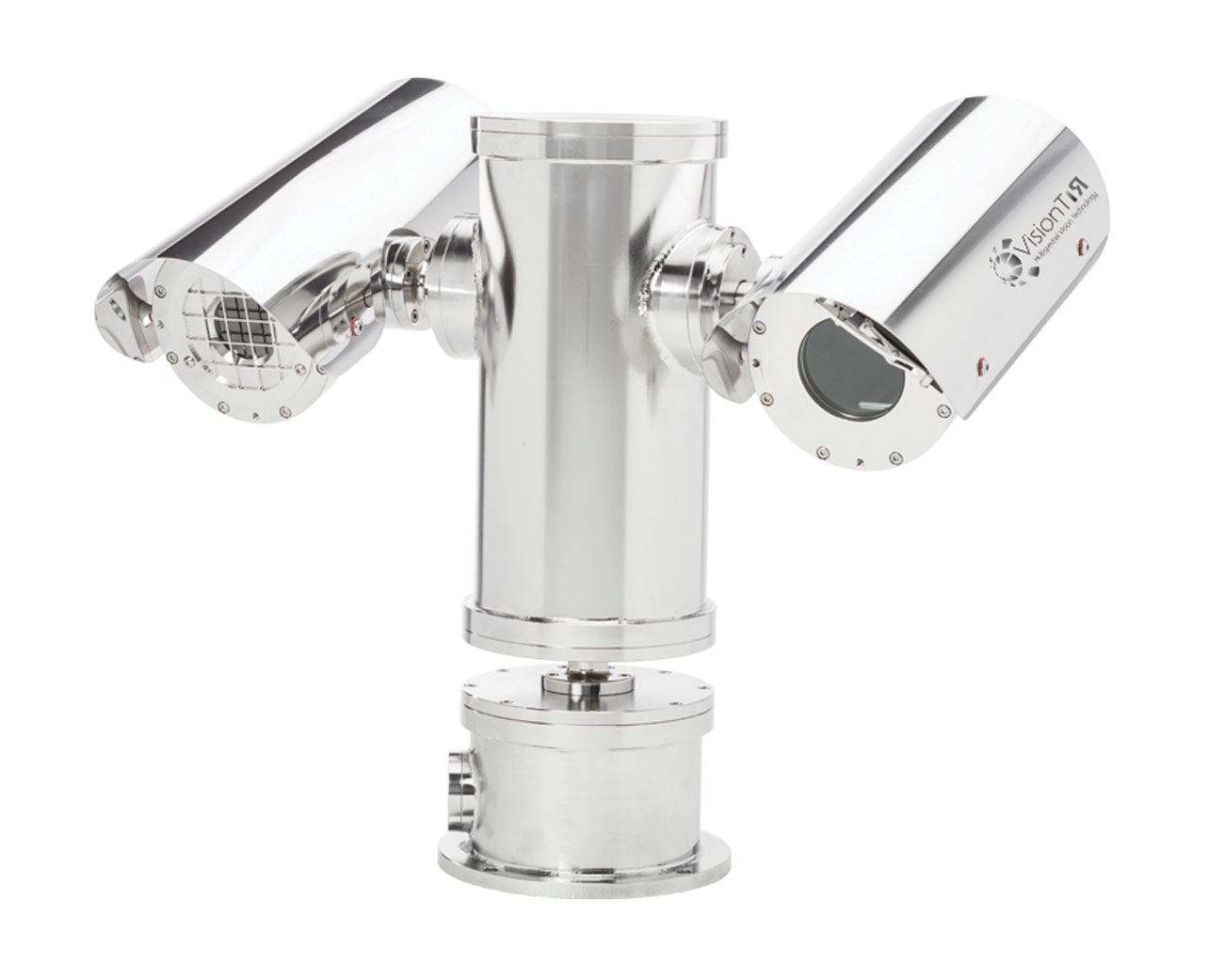
The thermal camera systems in the Patol range are based on radiometric infrared cameras, which are ideally suited to monitoring internal waste reception areas, internal storage areas, warehouses containing raw materials, silos and conveyors. The system features fixed infrared cameras connected to a user-friendly software interface through which the surface temperatures of the area being protected are monitored in real time, with the temperature distribution of the surface captured in milliseconds. The image from each camera can be divided into zones, allowing specific risk areas to be identified and to also establish non-detection areas. High or low pre-alarm and alarm set temperatures can be programmed for each zone, with outputs to fire alarm and process control systems. It also avoids unwanted alarms by factoring out heat signatures from work vehicles and forklift trucks that may be moving around the site.
For hazardous areas, camera enclosures are available to IP66 or ATEX certification, with automatic camera lens cleaning ensuring the system can operate effectively in the dusty environments that are typical of recycling and waste processing facilities.
In addition to these thermal cameras, Patol also offers a number of other detection capabilities suited to these types of application, including Infrared Transit Heat Sensors, Linear Heat Detection Cable (LHDC) and Aspirating Smoke Detection (ASD).
For more information, go to www.patol.co.uk
References
1. NFCC (National Fire Chiefs Council)
2. WISH (Waste Industry Safety & Health Forum) – ‘Reducing Fire Risk at Waste Management Sites’

You must be logged in to post a comment.