
Aerosol fire suppression technology is well-known throughout Europe and Asia and it is gaining greater attention with fire protection engineers and safety professionals in the Americas. These fire suppression professionals are recognizing the value of aerosol suppression for use in protecting enclosed special hazards.
Stat-X® condensed aerosol fire suppression is different, unlike conventional water mist or pressurized agent systems, each generator, upon activation, produces an ultra-fine fire suppressing aerosol. This cutting-edge technology is more effective, on an agent weight basis, than any other fire suppression agent.
It is governed by NFPA 2010: Standard for Fixed Aerosol Fire Extinguishing Systems and UL 2775: Fixed Aerosol Extinguishing Systems Units, for use in a wide variety of applications. Fireaway’s Stat-X technology is listed by the US Environmental Protection Agency (EPA) as a total flooding system for use in normally occupied and unoccupied areas under its Significant New Alternatives Policy (SNAP) program. It is environmentally friendly with zero Ozone Depletion Potential (ODP), zero Global Warming Potential (GWP), and zero Atmospheric Lifetime (ALT). Stat-X agent is not subject to future bans like currently specified halocarbon agents. Stat-X particles will remain in suspension for up to an hour providing prolonged effective fire suppression prior to venting. Stat-X is not to be confused with clean agents as defined in the NFPA 2001 standard.
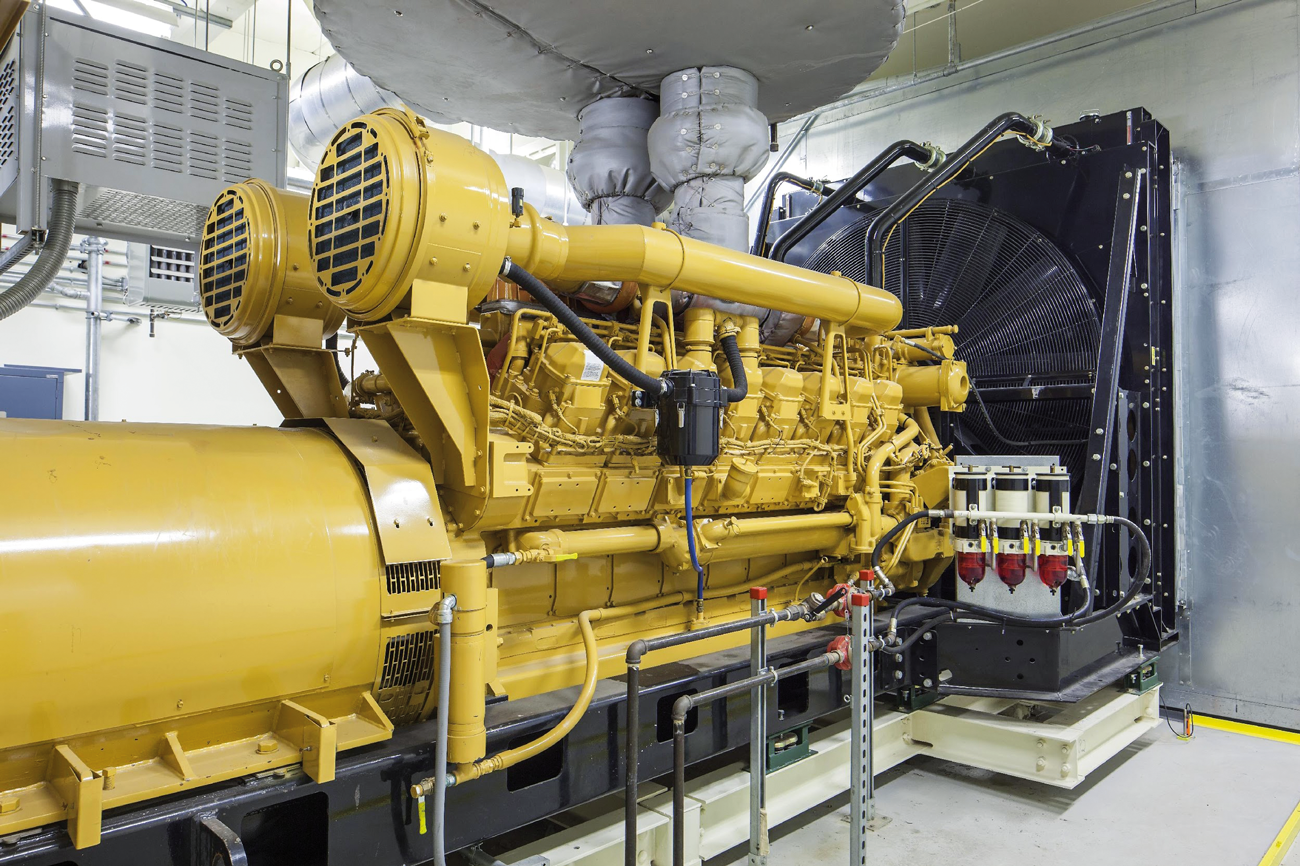
Stat-X is approved for extinguishment of Class A (surface), B, and C fire hazards. Stat-X protects enclosed special hazards such as: diesel generator rooms, gas turbine enclosures, wind turbines, energy storage systems (ESS) and battery energy storage systems (BESS), switchgear rooms, vehicle engine bays, heavy lifting and handling equipment, machinery spaces, CNC machines, flammable liquid storage, electric rooms & cabinets, pharmaceutical plants, and other commercial and industrial areas.
The product lines have achieved certifications and third party approvals globally.
The range of electrically operated aerosol fire suppression units are used as a total flooding system to protect a wide range of commercial and industrial applications. The systems are designed by our trained and certified distribution partners. System design is based on the unique characteristics of the area to be protected. Our fire suppression solutions utilize detection, alarm, and activation principles like those you are familiar with.

The Stat-X Electrical EX generators are used for Classified Hazardous Areas. These electrical “EX” models operate in a similar fashion to our standard electrical family. Stat-X EX generators are approved for use in classified and hazardous environments such as those that require products with approvals for Class I, Division 2, ATEX and IECEx certificates secured from Third Party Approval Agencies. Stat-X® EX electric operated aerosol fire suppression units are certified and listed by UL for such applications.
Thermal / manually operated generators are used for smaller applications such as electrical cabinets and small enclosed environments. These generators allow the designer to choose the best method of activation. Whether the best actuation method is thermal or manual, either can be accomplished using our unique patented activation head. Our thermally operated units are limited to applications that use one generator per hazard.
Stat-X fire suppression is the best choice for enclosed special hazards and provides numerous competitive advantages including:
- compact modular design
- performance with agent effectiveness
- durable
- low-cost due to simple installation (no costly labor-intensive piping)
- exceptional value
- made in the USA
Aerosols are now considered an effective new alternative to traditional special hazard fire protection and are being strongly endorsed and specified for use in such applications. Globally, specifying engineers are evaluating use of Aerosol alternatives over various halon substitutes, CO2, inert gas, dry chemical, or water mist.
For more information, go to www.statx.com

You must be logged in to post a comment.