

Recruiting engineers with the right skills can be a real nightmare for any organisation responsible for maintaining alarms and other fire protection equipment. For a start, it’s well known that there’s a global deficiency of skilled engineers – and in some countries such as the UK this shortage is reaching crisis point. In a survey of British engineering firms by the Institution of Engineering and Technology (IET) over half reported that they couldn’t find the engineers they were looking for and well over half said that this was a threat to their business.
n international study by recruitment specialist Manpower came to similar conclusions on a global scale – finding that skilled trade jobs are the most difficult to fill with engineering positions (especially electrical) at number three in the ‘top ten’ of shortages.
But scratch beneath the surface in the fire protection business and you’ll find that the situation is actually more complex. While both experience and traditional skills remain important, increasingly engineers in this sector need to add entirely new skills to add to their existing knowledge. These new demands could add to the existing skill shortages and turn the problem into a crisis.
Engineers working in the security sector have always needed sound IT knowledge, but until recently fire alarm specialists have relied on straightforward electrical and mechanical skills alone to carry out maintenance, although they may have basic computer skills to schedule work, produce reports and invoices.
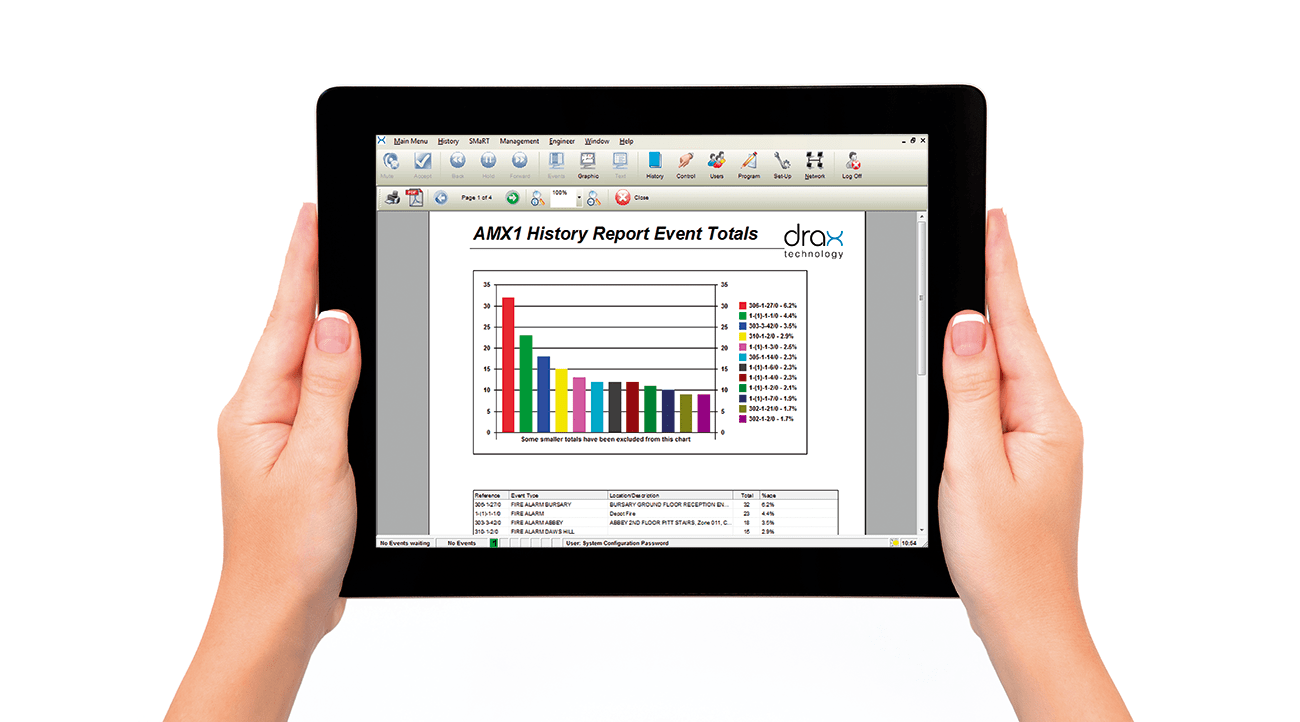
However, fire alarm systems have become increasingly sophisticated, optimising the benefits of the cloud to deliver real-time information via laptops, tablets or smartphones. They are becoming part of a wider Internet of Things network as an increasing number of products connect to other devices and the mainstream infrastructure and the data collected is being analysed to inform decisions, to prevent system failures and improve compliance.
It’s all driving an urgent need for fire alarm maintenance engineers to upskill. Otherwise, there are many IT firms who would love to extend their reach and fill the gap. But, these won’t necessarily have the experience of compliance issues or other fire alarm system specific challenges. So aside from the implications for the testing and maintenance engineers themselves, there’s a danger that equipment will be badly installed, leading to downtime and system failures.
Three big trends
So how are these trends already impacting fire alarm testing and maintenance? Let’s look at each in turn:
- Integration: Products are already available that centralise information from every different make or brand detection and alarm system, even if they are in different buildings or reaching to different towns or cities. This enables service and maintenance organisations, facilities and estates managers and end user organisations to view the overall status of their entire estate or even their global portfolio via a user-friendly user interface.
- Mobile and the cloud: Connected technology allows users to access data showing activations and system faults from any internet-enabled device including laptops, desktops, tablets and smartphones. This enhances system management, speeds up the repair of system faults and reduces maintenance costs. This allows faults to be dealt with immediately and for an engineer to know the parts and equipment to take to the call to ensure the problem is fixed first time. Automatically-generated notifications sent by email can also reduce the time taken to respond.
- Big data and data analysis: These systems already produce reports based on weekly testing, service visits and live activity. These reports can then be exported or customised and saved in different formats to show customers the status of the system, to measure engineer and system performance and to give evidence of compliance.
The web portal is generally controlled by the business maintaining the system. It will be up to them how much information their customers receive as part of the service or how much access they have to the dashboard and associated data. Providing access to this information could, if appropriate, be used to generate additional revenue for the service and maintenance company.
Invest in training
But, how can fire system testing and maintenance engineers ensure they are up to speed? Systems vendors often provide training, but although this is generally of a high standard, it only goes so far. Those who wish to grab new opportunities wholeheartedly should consider investing in a more generic course to give them a broader picture. For example in the UK both City & Guilds and the British Computer Society run a wide range of courses for all levels. Alternatively all the main IT vendors run globally-recognised certification schemes such as MSCE, CCNA or any other recognised course with a focus on IP networking.
There are also cultural and communications lessons to be learnt. Often traditional engineers and IT teams speak a different language, leading to a lack of understanding and a crisis of confidence. It might be just a case of learning different terms to avoid confusion.
However, one thing is certain. IT skills acquired now won’t go to waste as the trend is only moving in the one direction. Plus, those that are skilled and qualified can command higher fees and can look forward to a more rewarding future.
For more information, go to www.draxtechnology.com
About the Author
Keith Minster is Product Manager of Drax Technology.
