
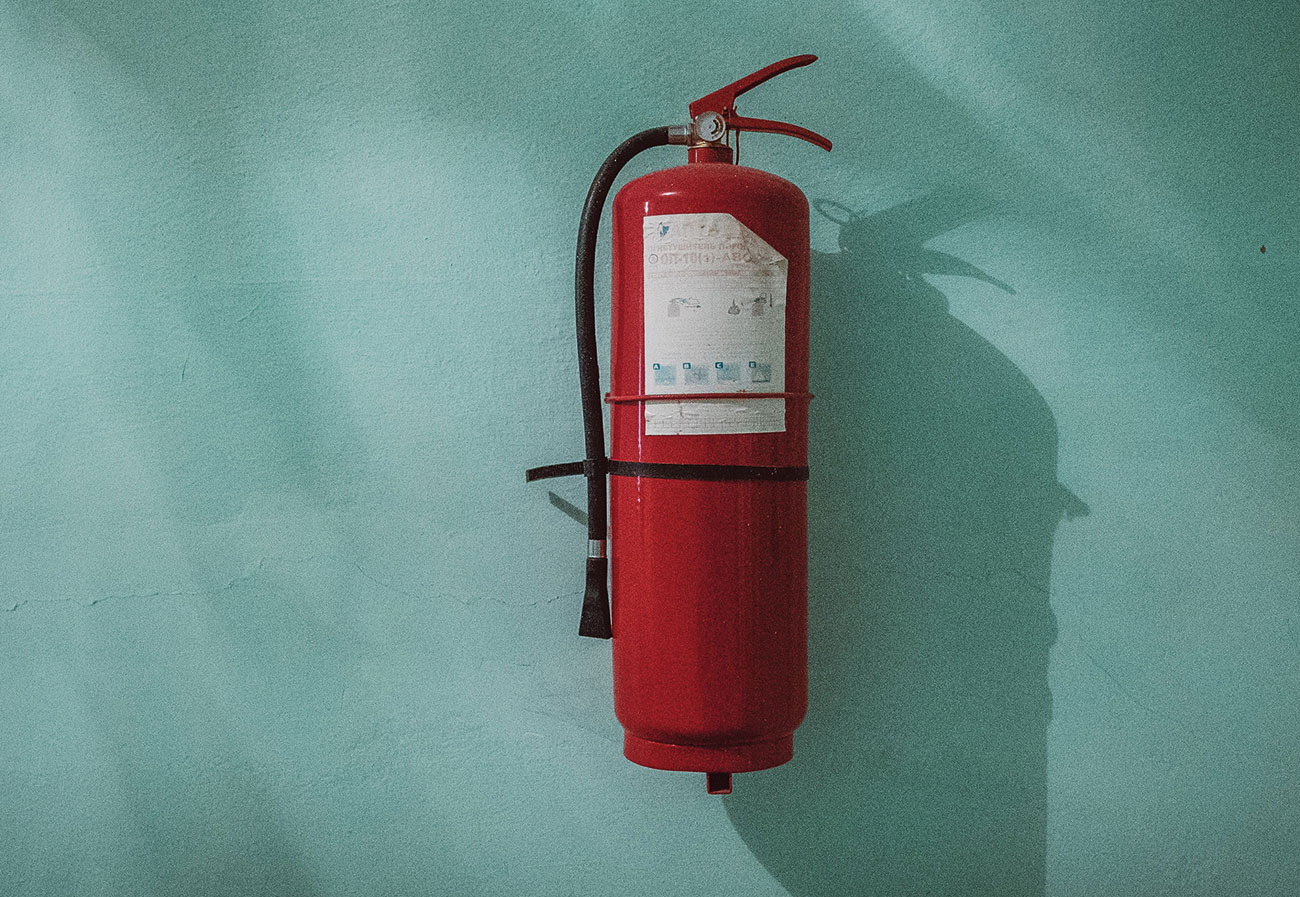
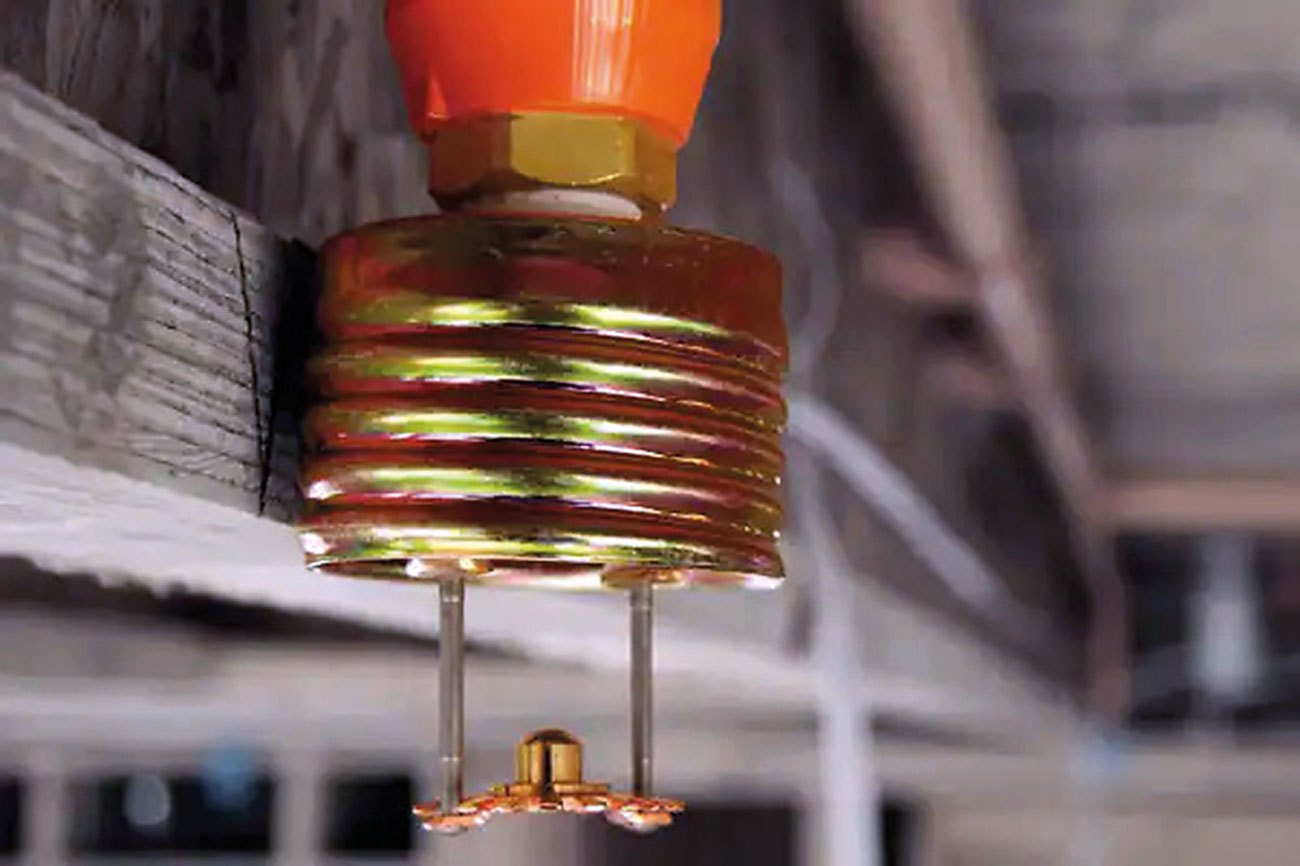
Have you ever noticed a building’s fire suppression system? Probably not. They are there to do a job, and often only seen when they are needed. But that doesn’t make them any less important than the other systems in place. Sprinklers are the unsung hero of fire safety; they are relied upon to spring into action when an emergency strikes to help save premises, stock, equipment and, most importantly, lives.
They are the systems we hope we never have to use. It’s of the utmost importance that fire sprinkler systems are kept up to date and working, but it can seem like an overwhelming and multifaceted duty. For building owners, managers and system users, the process doesn’t need to be daunting if they follow best practices for sprinkler reliability and maintenance. But it’s also essential that they understand what their role is and how vital it is.
Ensuring reliability of fire sprinkler systems
It is critical that a building’s sprinkler system is reliable in times of crisis, and that building owners and occupiers can be confident in their safe and compliant operation. They can be in place for a building’s lifetime and never used, but they can’t be left until they need to activate to see if they can. There is a responsibility to ensure that regular sprinkler maintenance becomes the norm.
It is not like other building maintenance routines where it is clear there is an issue, like hearing complaints of no air conditioning or sweltering heat when HVAC systems go awry. Sprinklers should be part of the essential building maintenance and given the same attention as systems that can cause occupant complaints. If tended to on a regular basis, it is easy to keep up care and maintenance, and the onus is on the building owner or occupier to do so.
Whose responsibility is it?
The RRO Regulatory Reform (Fire Safety) Order 2005 took the responsibility for fire safety out of the hands of fire and rescue services and placed the onus solely on the building owner or occupier. Now, every commercial or industrial property must have an individual who is responsible for fire safety, and it is their responsibility to make their premises compliant. Failing to do so can result in fines, prosecution and even jail time.
However, all building stakeholders must work in sync on a building’s fire safety strategy for it to be effective. Some may not have a facilities management company that looks after sprinkler maintenance, or the building manager may not have worked in an environment where this kind of fire-suppression system has been in place, so it is imperative that businesses find an accredited contractor that can support them.
What is best practice?
Best practice for sprinkler maintenance starts with weekly or monthly checks in house, with experts employed on a quarterly, six-monthly or annual basis to ensure that systems are in good health. Think of a building like a car – you can assess the condition of tyres before a long trip, or top up the screen wash, but you leave your annual MOT and service to the experts.
The big difference here is that no one talks about the requirements for sprinkler maintenance. There are no set reminders or government mandates to follow, so it can leave some feeling left in the dark without clear guidance. It is the responsibility of the building owner or occupier to appoint a third-party accredited contractor that adheres to the standards outlined by the Fire Protection Association (FPA).
Once the service contract is in place, a building manager and contractor must work together to build a compliant sprinkler care and maintenance regime, including regular hazard reviews, combining internal building understanding and external expert knowledge. For instance, a trusted fire-safety partner will check the age of sprinkler heads, advise testing after 25 years of installation to ensure that they can operate and distribute water as they should, and assess the water storage tanks, which should be drained and inspected every 10 years to check their condition. This kind of expert knowledge is where third-party accredited contractors are essential.
Staying up to date with legal requirements
Legislative requirements have remained reasonably consistent over the years. In our experience, it is a mixed picture for businesses, some are up to date and fully in line with current legislation, but some have found it more challenging to stay on top of fire safety. The main hurdle is making people more aware of what a compliant sprinkler system maintenance contract looks like, which is where documents like the FPA’s guide to Sprinkler System Service and Maintenance comes into play, giving those responsible the knowledge and the tools to ensure compliance.
As for choosing a contractor, it is important to choose one that services to recognised standards and carries one of the industry-approved third-party certifications: LPS1048, FIRAS or IFC. The certification generally covers the design, installation, testing and commissioning of systems, but it’s also essential to ensure service and maintenance is incorporated in the scope of work to ensure systems stay up to standard. Its why research is hugely important when choosing a fire sprinkler contractor, to ensure that legislative requirements are met:
1. Look for contractors with third-party accreditations (LPS1048, FIRAS or IFC)
2. Select a scheme that is regularly audited
3. Ensure you can receive ongoing service and maintenance, with a supplier that offers 24/7 rapid callouts to fix urgent issues
4. Beware of substantially lower costs – there is no guarantee that the cheapest option meets recognised compliance standards if they are not accredited.
Images supplied by Author / Contributor
Occupancy comes into play
One size does not fit all, and each building’s sprinkler system is different depending upon its occupation and the use and size of the space. Throughout the pandemic and as we adjust to life after, the way we use our buildings is constantly changing. Hybrid working has changed the way in which we interact and use spaces, yet we are finding that many businesses neglect to update their fire-safety systems when they do so.
Sprinklers are not like a fire extinguisher that is easily noticed, and something which we come into contact with on a regular basis. When businesses put up a partition wall or change the use of a room from an office space to storage of goods, the sprinkler system may not seem an immediate concern. However, as people make changes to building use, the effectiveness of the sprinkler system is immediately affected. For instance, a partition wall may seem an easy solution to divide a space, but unknowingly it may affect the sprinkler system coverage, creating huge fire safety ramifications.
For this reason, it is vital to carry out a regular Review of Hazard to assess the changing use of spaces and any building alterations that may affect fire-suppression systems in place. This is recognised within the sprinkler standards as a critical routine to ensure compliance, with immediate remedial action a requirement if the review identifies any system deficiencies.
Hazard reviews are essential
Some of the most common sprinkler problems contractors see revolve around changes to building use. Changes in storage arrangements, such as the type of product being stored and the height and storage arrangement, have a big impact on how effective sprinklers are. This is especially prevalent with the boom in e-commerce and amid supply-chain disruptions, as companies tend to store more stock in house.
The main purpose of a regular Review of Hazard is to identify deficiencies like these in the fire sprinkler system. These reviews highlight where manufacturing or office areas have been converted into warehousing, or where structural changes to the building such as partition walls or mezzanines have been added, affecting sprinkler system operation. Regular hazard reviews are an essential method to uncover blind spots and can be done internally on a quarterly basis with checklists provided by the contractor who will themselves also carry out a review on an annual basis and will step in when alterations to fire sprinkler infrastructure are required.

Images supplied by Author / Contributor
How is a Review of Hazard carried out?
Every 13 weeks the following items require checking to verify that the sprinkler system installed remains appropriate for both the hazard and use of building. Any competent person responsible for the site sprinkler system can identify these hazards independently and complete and submit the completed self-check report form to the servicing contractor for review:
- Any Structural alterations made, e.g., walls, partitions, ceilings and walkways installed or modified?
- Have any parts of the premises been demolished, renovated or extended?
- Any use changes, including function, type of products stored or how they are stored?
- Storage proximity to sprinkler heads?
- Any issues with, or modifications to, the sprinkler system?
- Is the building temperature within operational limits?
On an annual basis, the servicing contractor will also complete a Review of Hazard to ensure that the content of the returned self-check forms has correctly reflected the system criteria.
The risks if you don’t get it right
If the sprinkler system is not subject to a compliant service and maintenance regime as required by the standards, there is a serious risk that the system may not operate as intended in a fire situation. Weekly and monthly checks by the system user combined with provision of a service and maintenance contract with an accredited contractor are all critical in ensuring the continued reliability of this vital element of fire safety.
Know what you need to do
Fire safety is a vital part of protecting employees’ wellbeing and business interests. It’s why sprinkler systems must be fit for purpose and ready to operate, so that if disaster strikes, the fire-suppression measures are up to task.
- Work with a third-party accredited contractor that adheres to the standards
- Build ongoing sprinkler servicing and maintenance into your fire-safety strategy
- Carry out regular Reviews of Hazard to assess structural and business use changes
For more information, go to www.johnsoncontrols.com
About the Author
Adrian Kay is head of Technical Compliance and Quality at Johnson Controls UK&I.

You must be logged in to post a comment.