
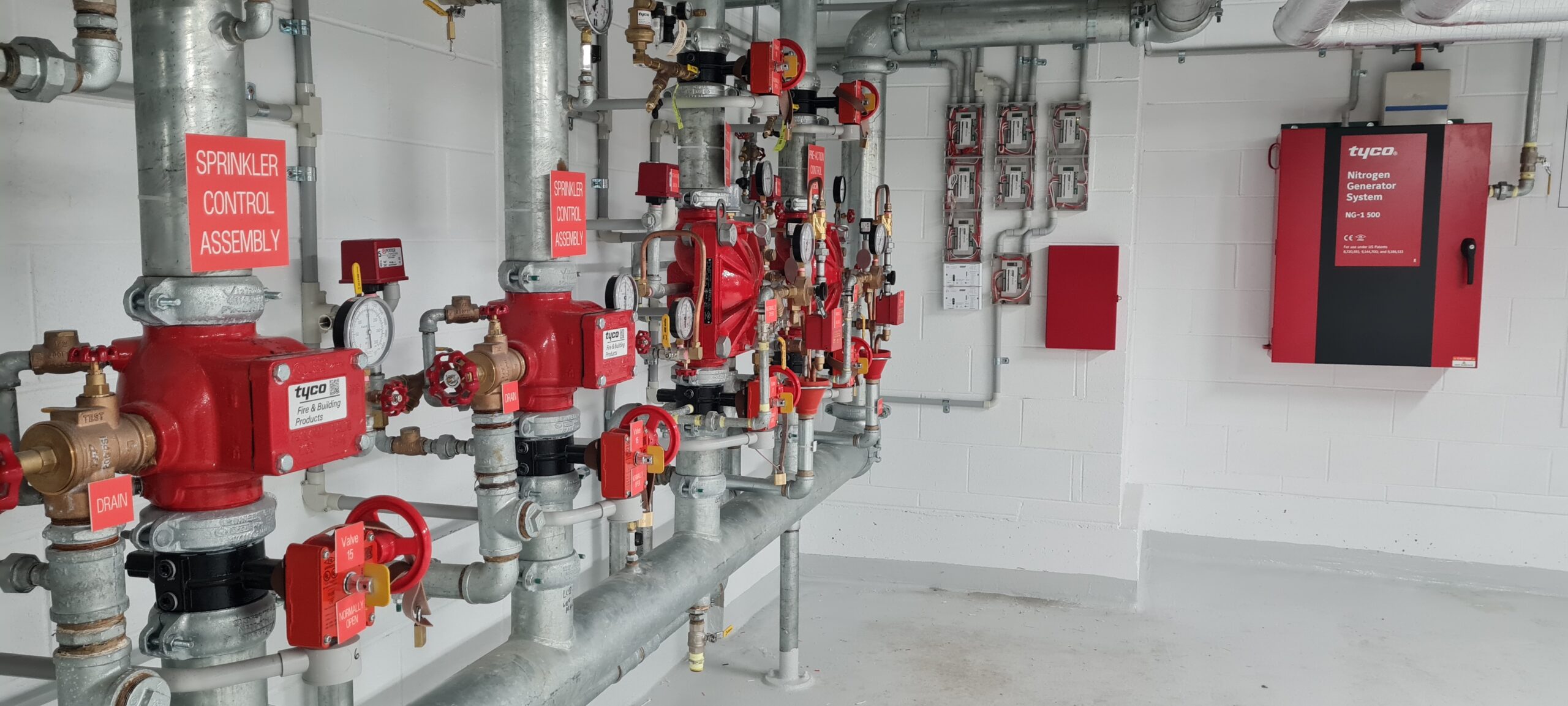
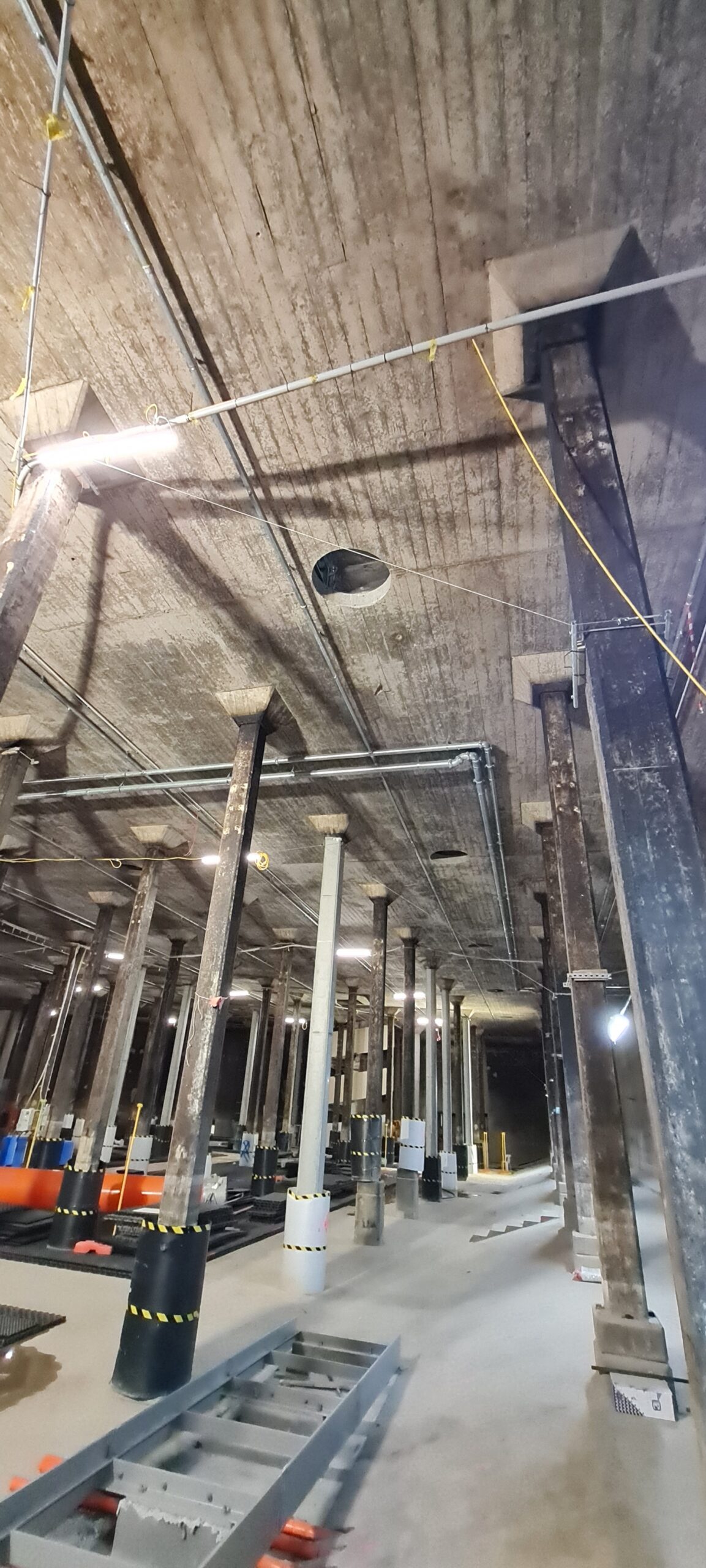
An art gallery in Australia emerged from the transformation of a public institution. The building was erected on a heritage basement, previously a diesel storage tank for a nearby naval base, with new state-of-the-art buildings constructed on the historic site. Due to the importance of the artwork within the gallery, it was imperative that the fire-protection systems should protect the artwork from fire while minimizing water damage cause by leakage from the fire sprinkler pipe.
For this reason, a pre-action fire sprinkler system was chosen to minimize risk of water within the piping network while also providing protection in case of a fire event. The artwork being protected is of very high value and irreplaceable, so interruption and failure of the fire-protection system is deemed unacceptable throughout the life of the building. Hence, a nitrogen generator was used to mitigate corrosion within the sprinkler piping network and extend the life of the fire sprinkler system to avoid costly leaks.
Johnson Controls was chosen to lead on the fire-suppression system due to its team’s understanding of the project requirements and relationship with the fire sprinkler contractor, as well as its previous experience in delivering on similarly challenging projects.
The Johnson Controls team spent a long period with the design consultant, Arup, developing, designing and specifying the fire-protection systems. This included using nitrogen to help ensure corrosion is minimized in the steel pipe systems, lengthening the system’s lifespan. Throughout the project, the team also worked closely with a fire-safety strategic partner, BSA Fire.
Challenges
Ensuring that all buildings that are open to the public are safe and protected from fire is critical. This is a challenge when the building itself is a work of art and is housing other art that all have unique needs. Careful consideration must be given to which fire-suppression system can minimise the risk of accidental discharge while protecting both the building itself and valuable works of art from fire damage.
The challenges are compounded in fire-suppression systems such as pre-action and dry-pipe systems, which use air to pressurize the pipework but are prone to significant corrosion problems due to the combination of steel, water and oxygen in the air. A solution for this challenge needed to be cost-effective to install, dependable to mitigate system leaks and avoid downtime, and ultimately protect the fire-protection system investment to extend its useful life.
Solutions
To find solutions to the numerous challenges faced by the team working in such an important building, Johnson Controls recommended a system that prevented corrosion and extended the lifespan of the sprinkler system. Johnson Controls provided a plan showing the proposed systems, including how potential savings could be made with small changes to the design and a deeper understanding of the systems to be installed.
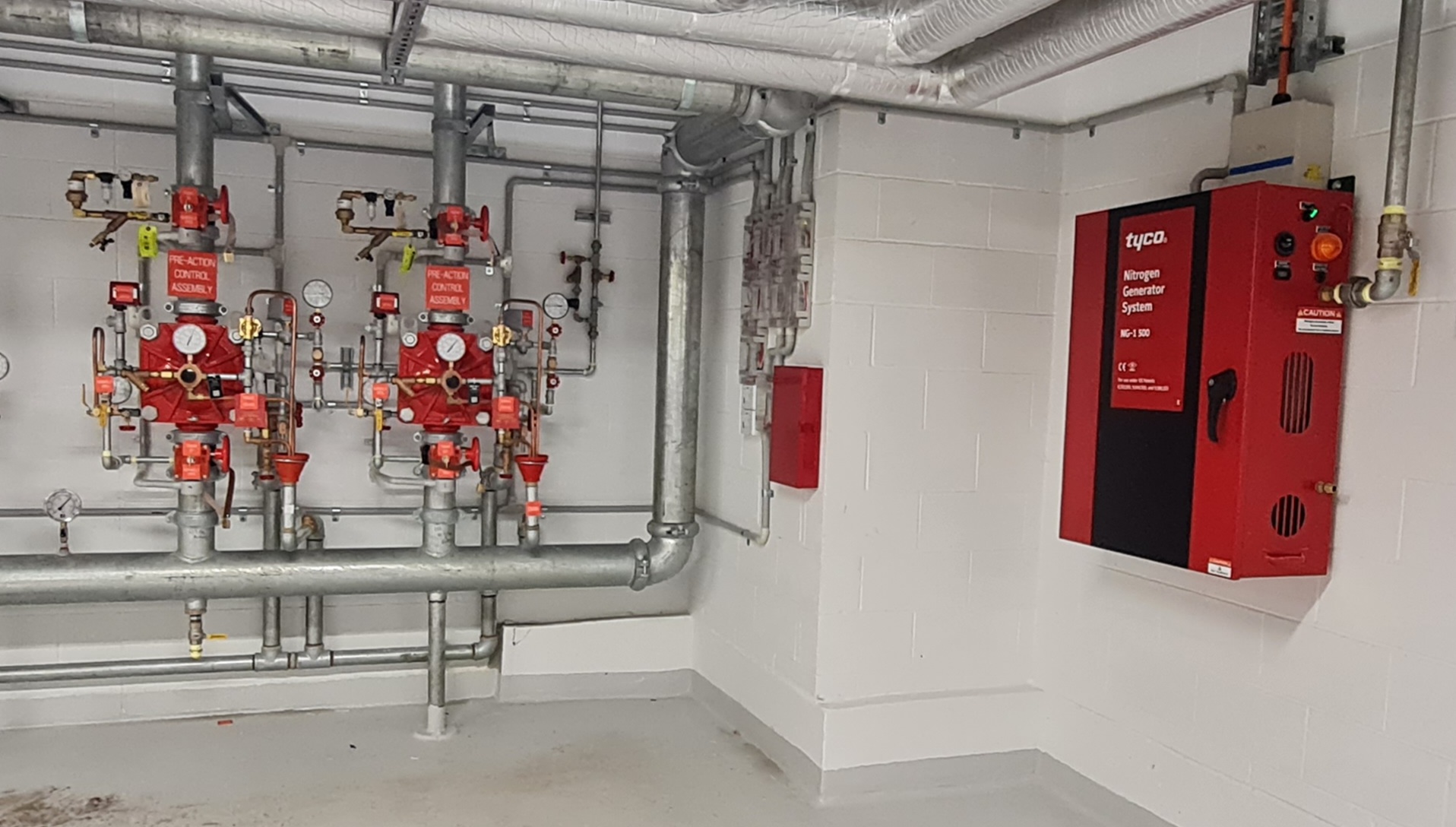
Johnson Controls recommended that a double interlock pre-action system was needed throughout to help keep the valuable artworks safe from activation without a fire present. This would mean that water is only released into spaces where both smoke and fire are detected. This solution reduces the risk of unnecessary water damage to the building and gallery spaces.
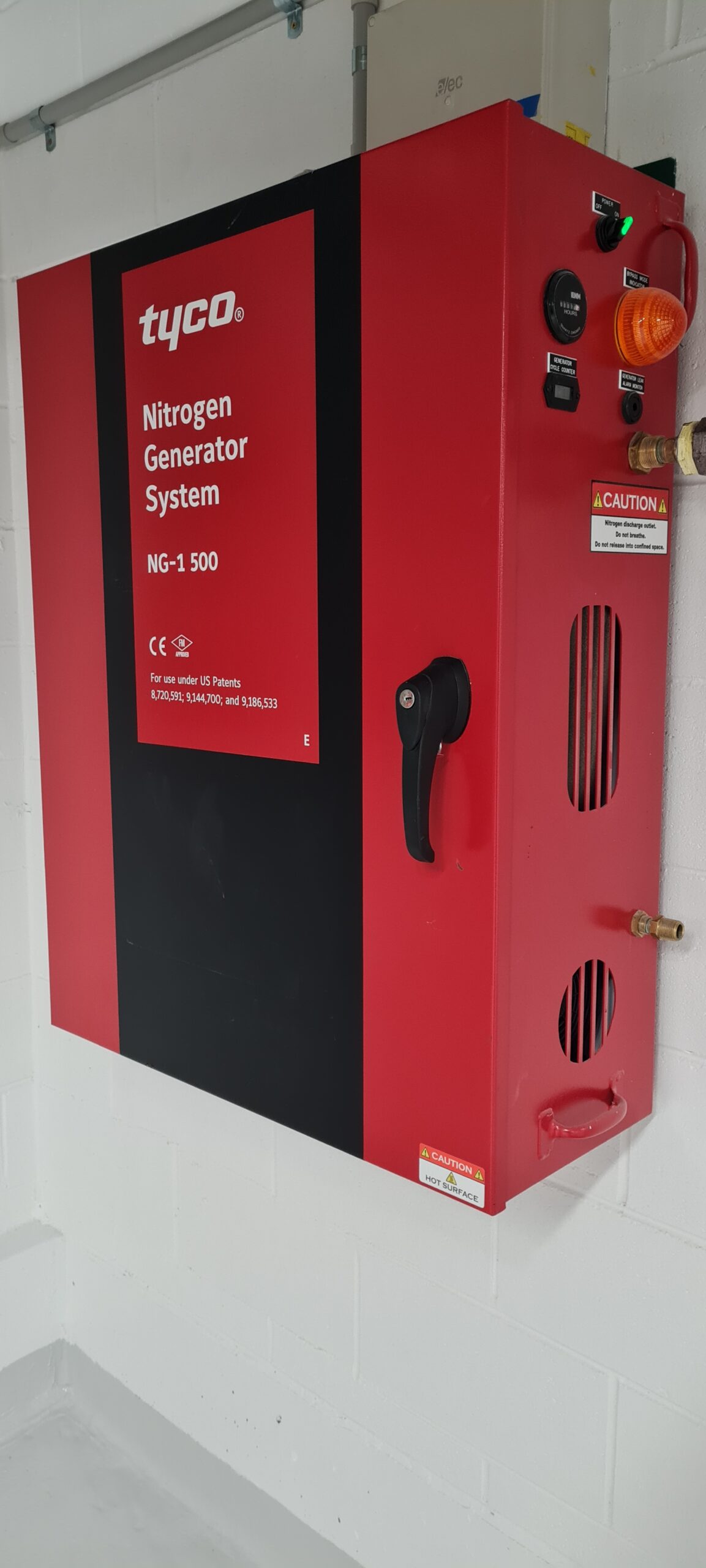
To help prevent corrosion and extend the life of the pipework, the team proposed using a nitrogen generation system, which is designed to replace the oxygen used to pressurize the systems with high-purity nitrogen, preventing corrosion from occurring in the pipework and reducing risk of pipe leaks that could damage artworks.
The team also maximized the installation areas by providing and optimizing system designs for fluid delivery times.
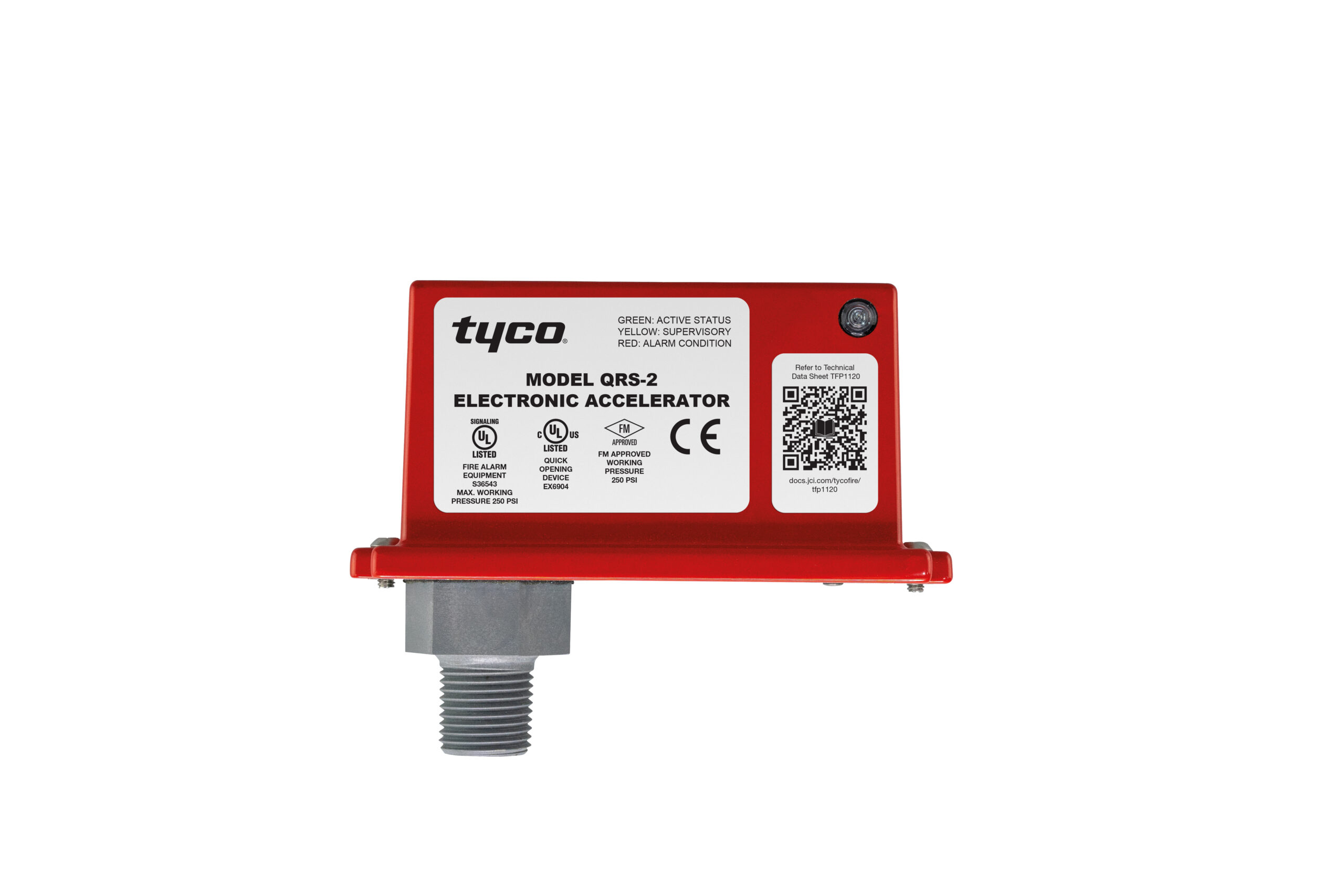
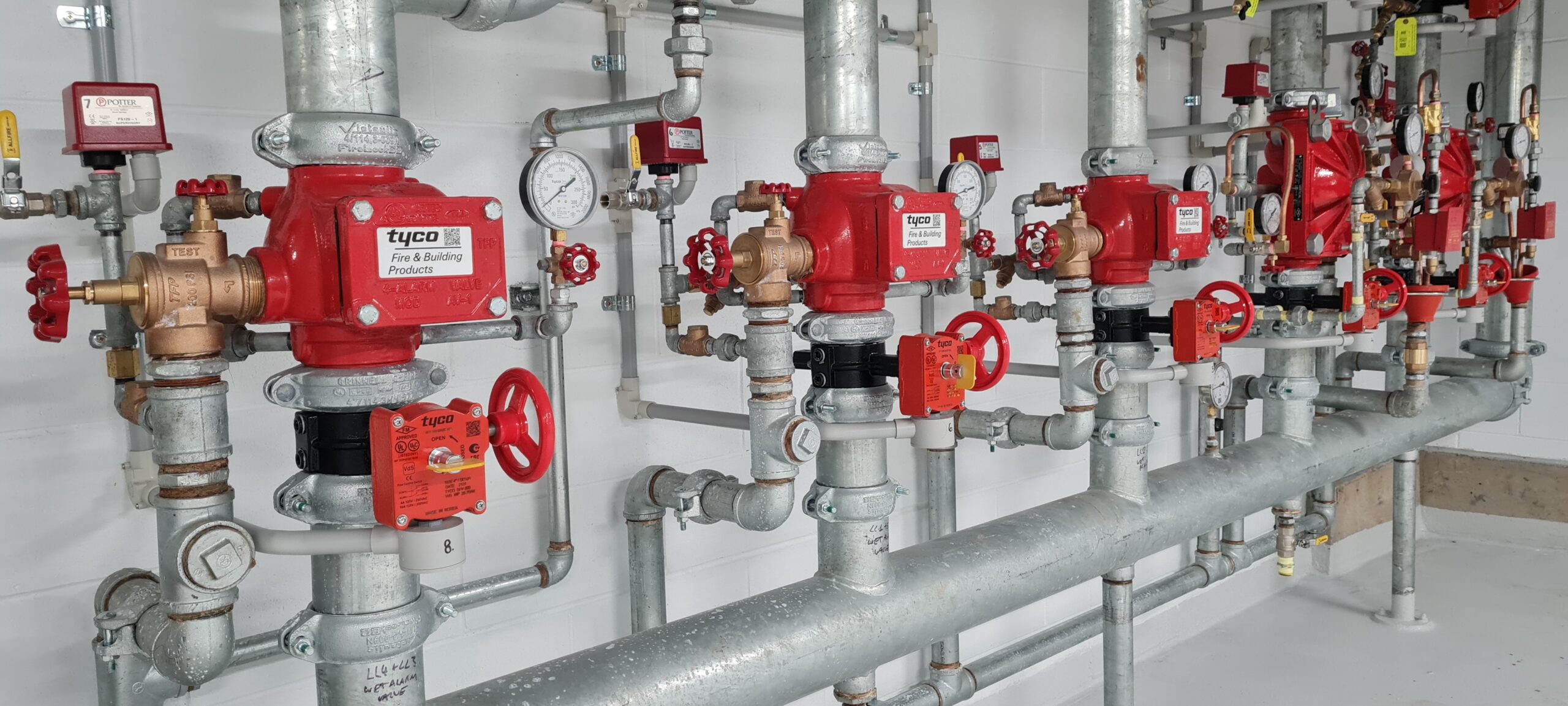
The Johnson Controls solution included using industry-leading Tyco products:
- DV-5A Pre-action Systems with Tyco QRS (Quick Release Switch) technology which minimizes fluid delivery times.
- Valves were provided fully assembled. This reduced time on site and saved time and labour costs for the system integrator.
- NG-1 Nitrogen System provided corrosion protection to pre-action systems.
These solutions and the whole fire-suppression nitrogen generator system were fully integrated with the building’s fire-detection systems. The system provides system condition updates and operational information 24/7.
Throughout the project, the team was available regularly via phone support and on-site visitation with our partners. The team focused on the customer’s needs, ensuring the systems were installed as quickly as possible and all solutions performed as required under test before final sign-off.
Results
By delivering a dependable and cutting-edge solution for the state-of-the-art building, the team delivered results showcasing its reputation as the go-to team for fire safety and protection solutions.
- Safety first: by focusing on safety, the team selected pre-assembled valves to lessen concerns over lifting and manoeuvring on-site; this also resulted in reduced labour costs and time savings.
- Long-term financial savings: nitrogen generation minimizes and prevents corrosion from occurring, extending the life of pipework for the life of the building and overall reducing maintenance and replacement costs.
- Looking good: the system was designed to fully integrate with the building design. This resulted in a streamlined aesthetic that made minimal impact within the art gallery spaces.
- Fully connected: by integrating seamlessly with the fire-detection systems, the fire-suppression system alerts faults and activations immediately to facility management.
Overall, nitrogen generation minimizes and prevents corrosion from occurring, extending the life of pipework for the life of the building. This will save costs in the long term as the pipes will likely not need to be replaced for over 25 years.

You must be logged in to post a comment.