

As we rapidly move towards meeting net zero targets, a number of challenges present themselves in terms of innovative technological solutions being developed to generate, store and use energy and the associated fire risks that accompany them. This article explores…


Fire safety issues associated with the move towards net zero
As we collectively drive towards net zero and decarbonisation, there is a greater need to explore technological solutions that are currently used and those being developed, to address the fire risks that accompany them. As we develop existing methods and…

The wider benefits of collaborative fire-safety research
Introduction How can collaborative research into today’s fire-safety issues lead to impactful insights or solutions? This article details a collaborative framework that has successfully been used for multiple research projects, resulting in benefits for partners, the fire industry and for…

Determining the optimum replacement periods of optical smoke detectors and alarms
In the UK there are no strict mandatory replacement periods, within British Standards, for smoke alarms and detectors. The aim of this research was to identify the optimum replacement periods for optical smoke alarms and detectors used in domestic and…
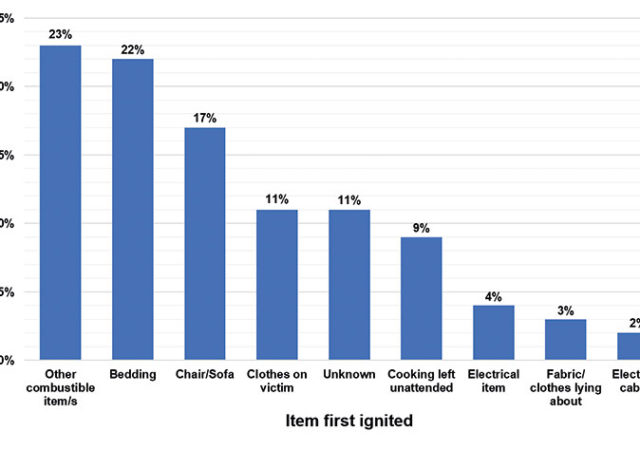
Recommendations to reduce fire fatalities
From the previous phase of this work a number of recommendations were made to reduce fire fatalities. These were assessed to identify their potential effectiveness during a review of Fire Investigation reports. The review resulted in further recommendations and a…
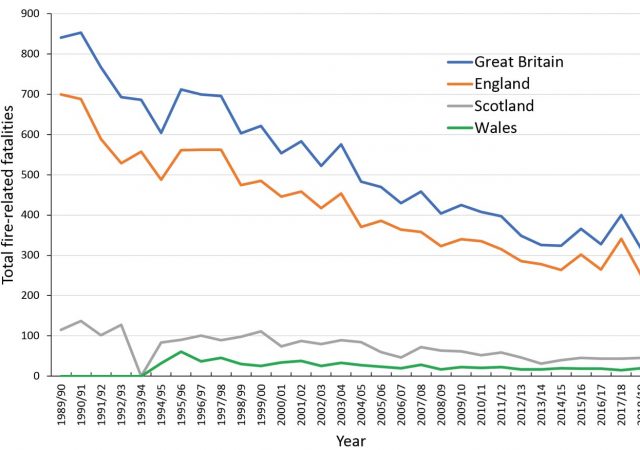
The causes of fire fatalities and serious fire injuries in Scotland
Fire fatalities in Great Britain have gradually been decreasing over the last three decades but have now plateaued. This first phase of a research study investigating fire fatalities and serious injuries in Scotland has identified the types of people most…

Development of tests to assess video flame and video smoke detectors
Video fire detectors are increasingly being used to detect fires in areas where traditional detectors may be inappropriate, or where a quicker response is needed or visual verification required. Due to their complex and variable functionality, there are no defined…

Multi-sensor capabilities for false alarm resistance
It has been widely reported that multi-sensors can help to reduce false fire alarms, when compared with standard optical smoke detectors, while still providing early warning of fire. A research study to investigate variations in the types of multi-sensor available,…
Live investigations of false fire alarms
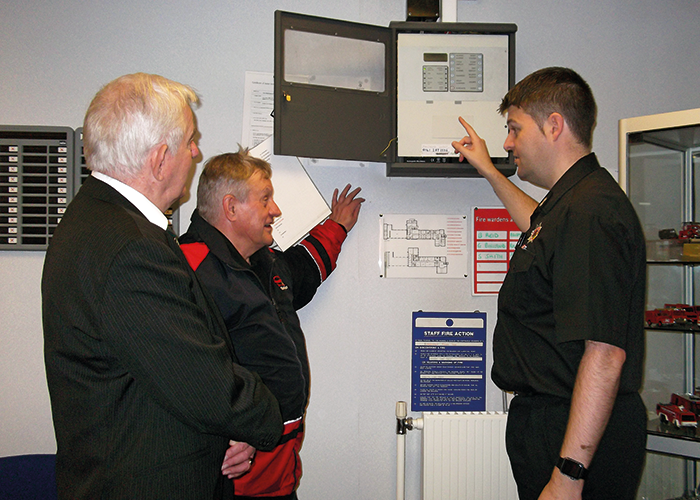
Fire detection and fire alarm systems (FDFAS) are used to provide early warning of fire in order to alert the local Fire and Rescue Service (FRS). FRS attendance at fires saves lives, prevents injury and reduces associated property damage costs.…

The Effectiveness of LED Devices in Warning of Fire
Visual alarm devices (VADs) are used to warn deaf and hard of hearing people in the event of a fire, and to provide silent warnings where required. The effectiveness of VADs, most of which are Xenon or LED flashing light…
Testing the Response of Smoke Detectors
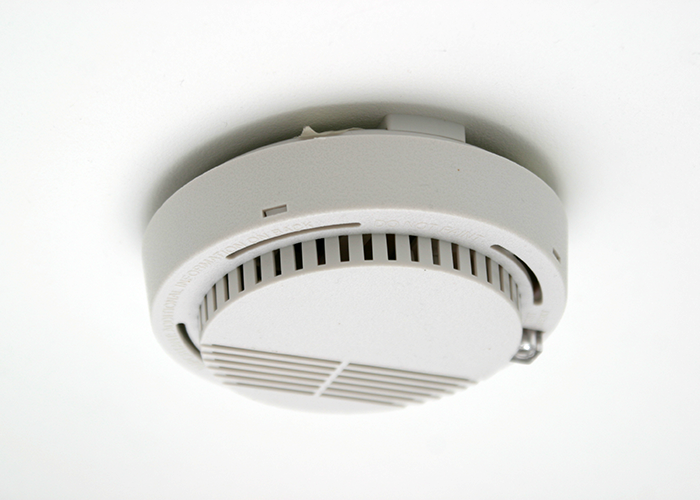
The test fires that are used to assess ionisation and optical smoke detectors were developed in the 1980s, but the materials found in modern service environments have changed since then. There is now a greater use of plastics and flame…
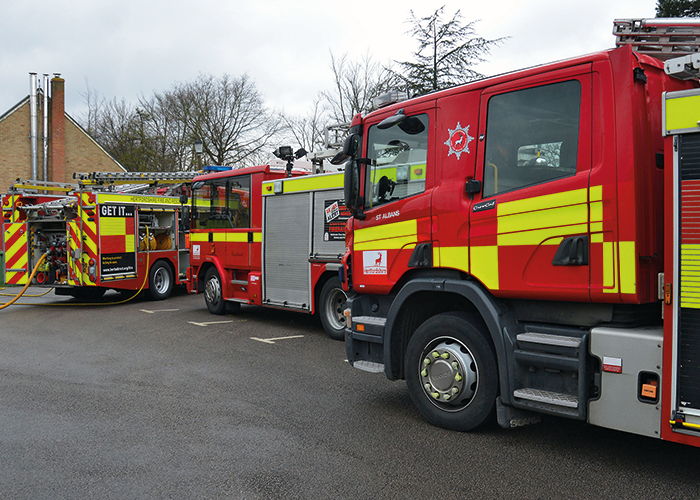
The Causes of False Fire Alarms in Buildings
False alarms from fire detection and fire alarm systems are a problem worldwide, but their underlying causes are not well understood. This article reports on research to investigate the causes of false alarms with the aim of identifying measures to…
You must be logged in to post a comment.