
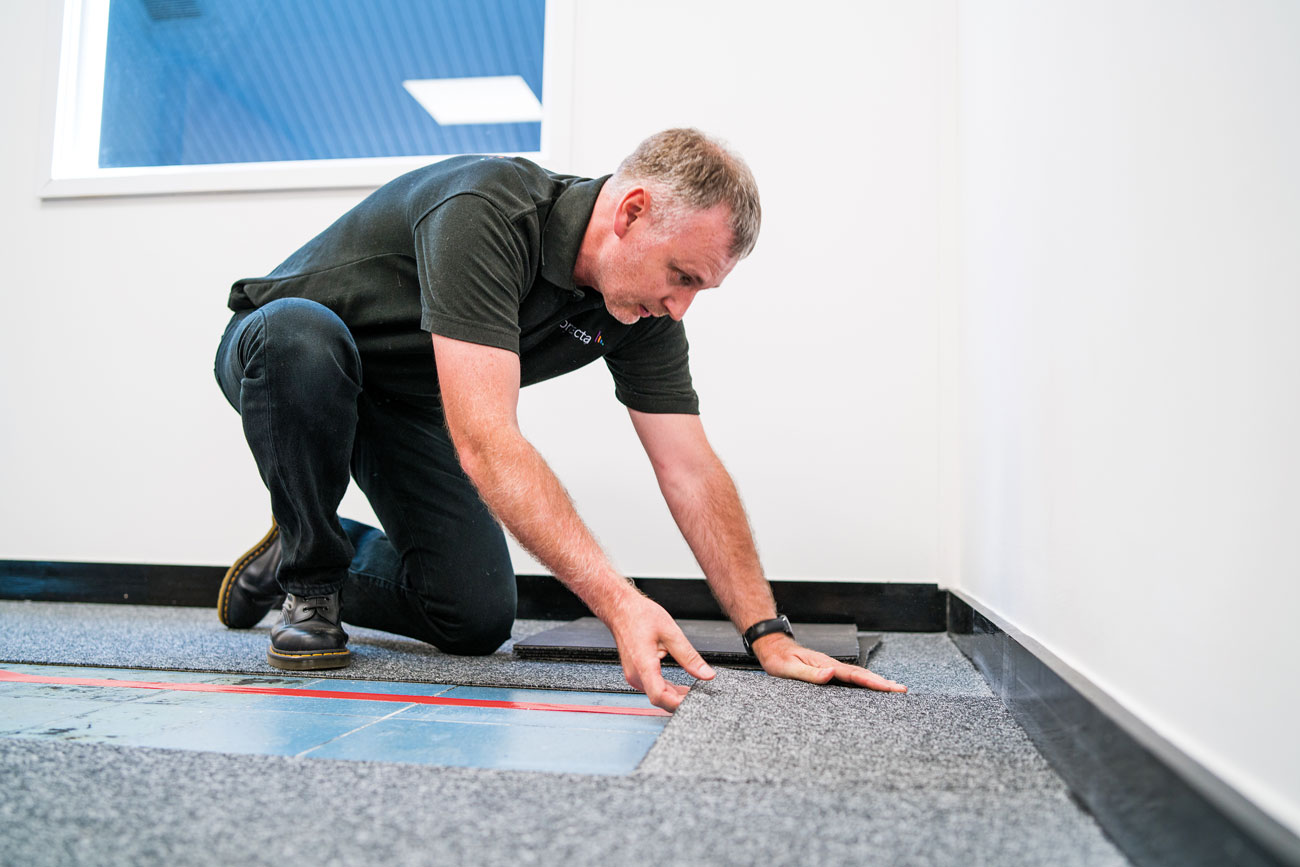
As the largest disabled group in the UK, close attention should be paid to the needs of people with hearing loss in the event of a fire. Current technology offers solutions for every setting and situation to enable not just one-way communication but two-way interaction. The ability to engage with fire safety notifications and procedures can be lifesaving.
Hearing loss effects 1 in 6 of the UK population – close to 11 million people. It is often described as a ‘hidden’ disability, meaning that people with hearing loss are not immediately identifiable. As hearing aids aren’t conspicuous like wheelchairs and hearing solutions aren’t as easily seen as ramps, hearing loss can go unconsidered when it comes to safety.
It’s not effective to rely on manually alerting someone to an incidence of fire, as others who can’t hear clearly but haven’t been identified as such, could easily be missed.
While staff who have a known hearing loss can be given a ‘buddy’ for emergency situations, they may have colleagues whose inability to hear is unknown. Similarly, premises which welcome members of the public may not be alerted to a person’s disability as they themselves may not view it as such.
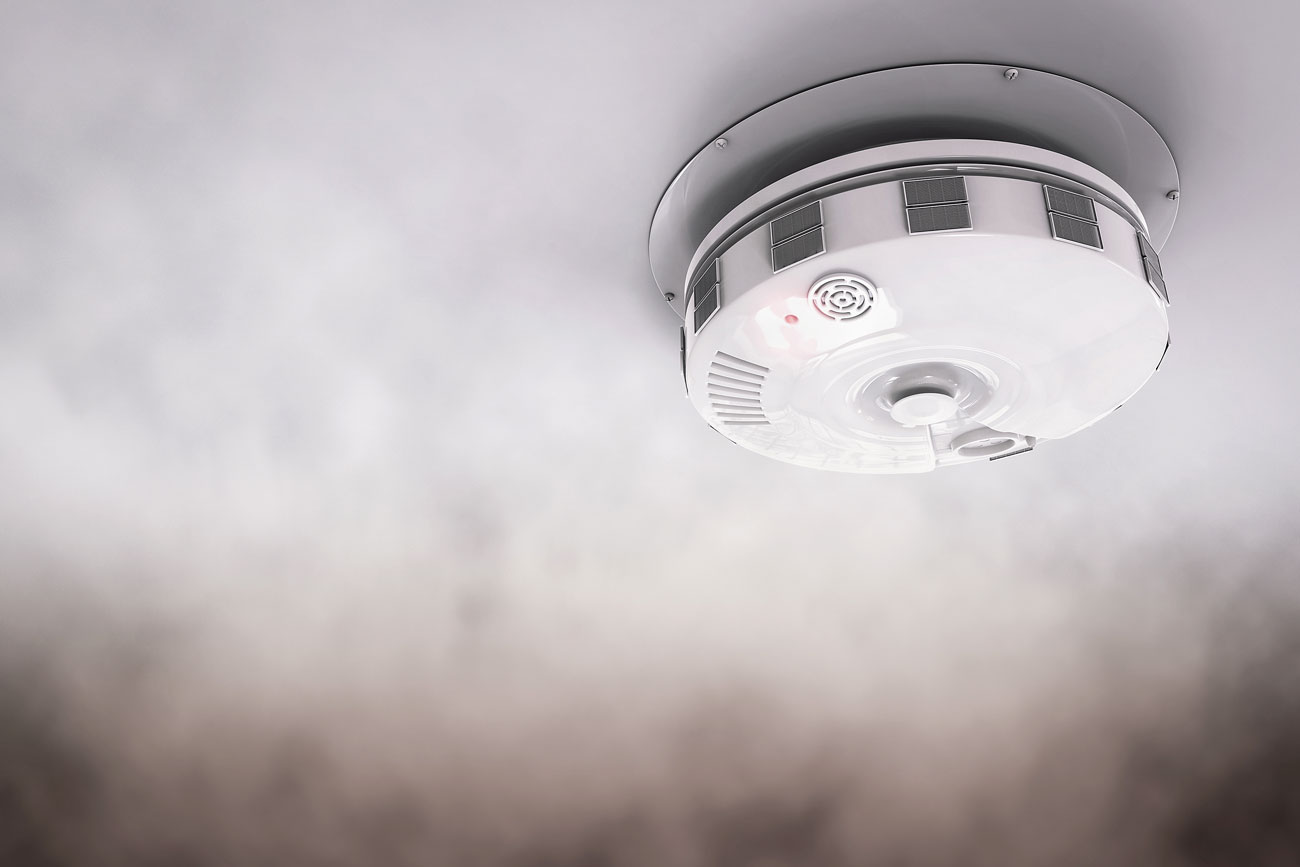
A well-planned system which includes essential technology to assist people with hearing loss is therefore the key to maximising inclusive safety in all areas of a building.
The risk assessment of each site will be the first step in deciding which system to use to alert people to the presence of fire. If an audible alarm is needed, it shouldn’t be assumed that these will be of no use to people with a hearing difficulty.
During the night, which is when people with hearing loss are unlikely to be wearing their hearing devices, smoke alarms are available which use bright strobe lights. Individuals can also use vibrating pads under their pillows or wrist bands as additional alerts.
Hearing loss varies in its severity and characteristics but people most commonly lose ability to hear high frequency sounds.
Consequently, while increasing the volume of alarms can be effective for some, research has shown that alarms that use a lower frequency are most effective at waking people with mild to moderate hearing loss.
A 520-Hz square wave was shown to wake 92% of study participants compared to 56% of people who responded to a 3100-Hz alarm. Premises where the public are likely to spend part of their time asleep – hotels, managed apartments, hospitals – would do well to consider the use of systems in this lower range.
The importance of using fire protection systems which take into account the needs of people with hearing loss is reinforced through the framework of legislation and best practice:
- The Equality Act of 2010 requires premises to “anticipate the needs of disabled people” and to “make changes, where needed, to improve services for disabled customers or potential customers
- The Regulatory Reform (Fire Safety) Order 2005 refers to British Standards Institute BS:8300, in which the recommendations cover the design of buildings. Its instructed approaches for promoting inclusivity were revised in January 2018 to incorporate, for the first time, specific guidance on the needs of people with hearing loss.
A service provider therefore has both a legal and moral obligation to offer an accessible and safe environment for everyone who may come into their premises.
Compliance with the Equalities Act involves providing “auxiliary aids and services” and the most commonly used for people with hearing loss are induction loops, also referred to as hearing loops.
Even if someone already has a hearing aid, hearing loops are still necessary in emergencies. This is because hearing aids amplify all sound, meaning in moderately noisy environments, let alone crisis situations, someone with hearing loss will not be able to distinguish the sounds they are trying to listen to, such as instructions from a safety point, from background noise.
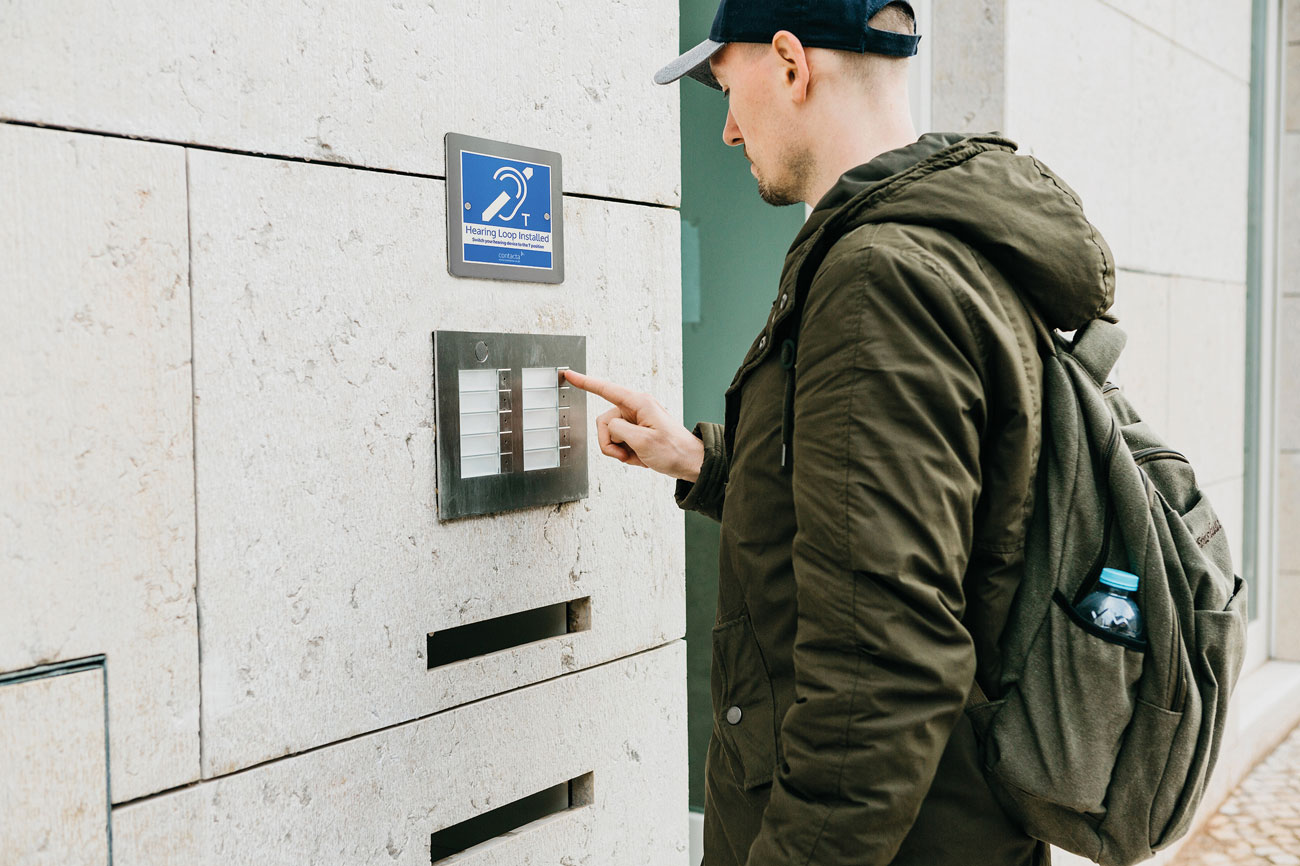
Hearing loops cut through surrounding noise completely and can be integrated into a variety of sound systems or devices, including fire alarm systems, providing hearing aid wearers with a direct link to audio sources. So, if an audible alarm includes instructions or announcements, a hearing aid wearer will be able to hear them clearly.
A loop system’s amplifier converts a sound input into magnetic signal and drives it into a copper cable (aerial). The current driven into the cable creates a magnetic field in the designated area. This field carries the emitted signal which is then picked up by the user’s hearing aid where it is converted back into sound. This is a completely wireless process.
Once a hearing loop system is installed, all end-users need to do is switch their hearing aid to a “T” position (meaning “telecoil coupler”, referring to a magnetic coil inside the device) to receive crystal clear sound.
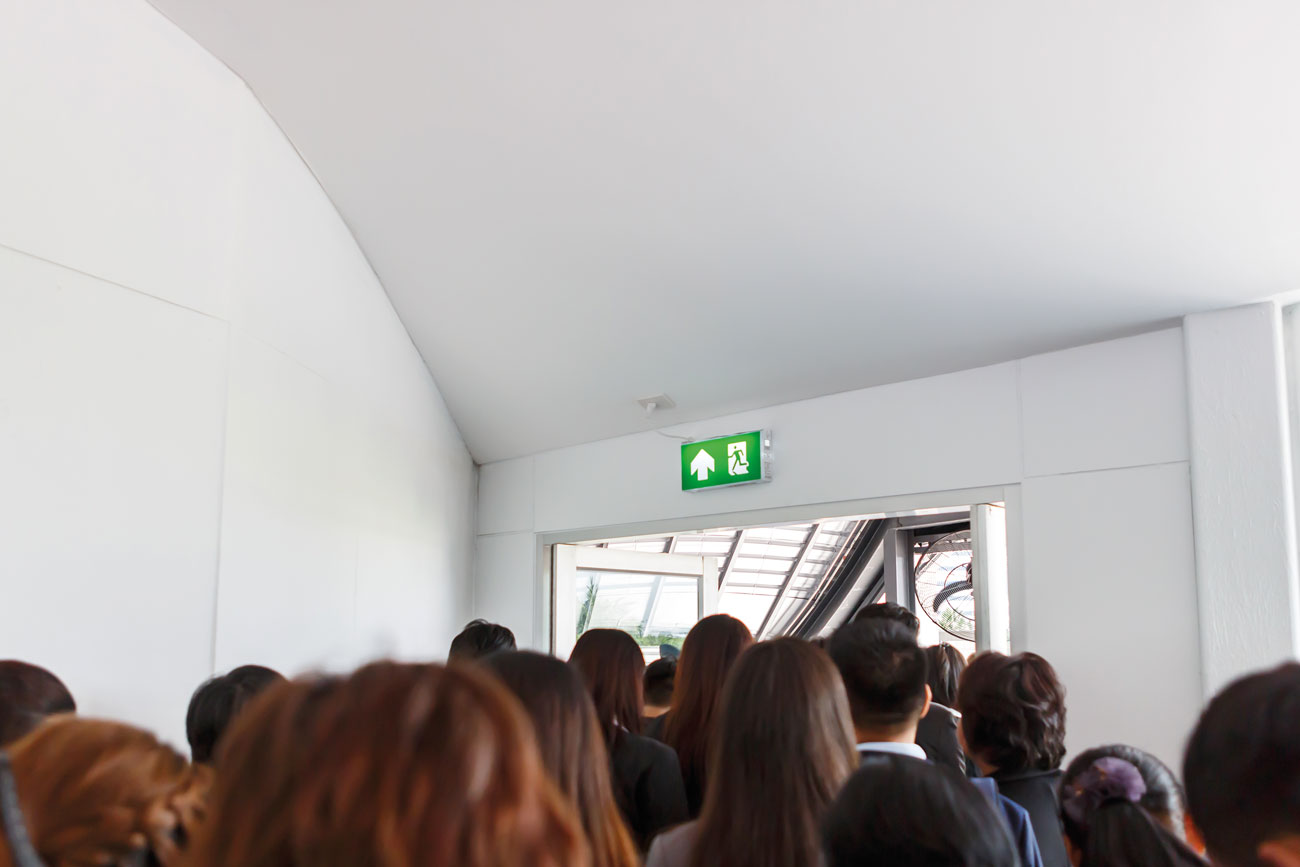
The hearing loop system can be designed to suit any environment, from the largest concert hall to the smallest intercom. British Standards BS8300 gives specific examples of where hearing loops should be installed. In the event of fire, emergency and refuge points are key, as are station concourse or airport terminal PA systems where the public needs clear information in order for an evacuation to be managed as smoothly as possible. Even fire alarm telephone handsets can – and should – be fitted with a hearing loop.
But the recommendations also cover secure doorway entry intercoms, speech transfer systems for through-the-glass communication, customer service points – any situation or environment where communication needs to be enhanced for those with hearing loss.
In every setting, clear signage is vital as it will allow users to see that a hearing loop system is installed and it may also indicate where users should position themselves for the best reception.
Professional installers will assess every aspect of the environment to make sure loop cables are placed so that if people are likely to be standing, as in a museum, the best reception for the loop signal is at head height. If a station concourse can’t offer coverage in all areas, installers will create ‘listening points’ where users have an uninterrupted line of sight to information boards to maximise their access to information.
Hearing loops as an assistive listening technology have been available for decades and are still the most universal and effective way to enable communication for people with hearing loss. International standards ensure that no matter where visitors, staff or users come from, their telecoil-enabled hearing device will be compatible and the sign for a hearing loop system is recognised the world over.
It is important to note that people with hearing loss are not always ‘victims’ in fire situations. Assistive listening technology should be in place to facilitate two-way communication.
Someone with a hearing difficulty may discover a fire and needs to be sure that their alert has been received. They may be asked several subsequent questions to give fire fighters or those in charge of an evacuation further information. A person trapped in a lift or at a refuge point may need instruction but also reassurance and may need to be contacted repeatedly over a period of time. Hearing loops can enable that communication.
It is vitally important that any fire safety technology is well planned, properly installed and regularly maintained. A maintenance plan should be part of any loop system installation to make sure that, should the worst happen, those with hearing loss have the best access to alerts and information.
It’s also important that staff are aware the technology exists and how to use it – just as designated individuals are trained to test fire alarms or run evacuation drills.
Unlike more recent developments in technology, the hearing loop requires no extra apps or equipment for users to be able to benefit. A person can arrive at a building they’ve never been to before and can be confident that the necessary information will be accessible to them.
Recent communications from the International Hearing Access Committee, a body comprising hearing loop and hearing aid manufacturers plus charities from the sector, stated that the future of loops is assured for at least the next 10 years. Specifiers can therefore be confident installing a loop system will offer those with hearing loss the greatest access to safety for the foreseeable future.
For more information, go to www.contacta.co.uk
About the Author
Ran Meyrav is the Head of Business Development at Contacta Systems Ltd. He has more than 14 years’ experience in the assistive listening technology sector, having spearheaded projects and product development of these technologies.

You must be logged in to post a comment.