
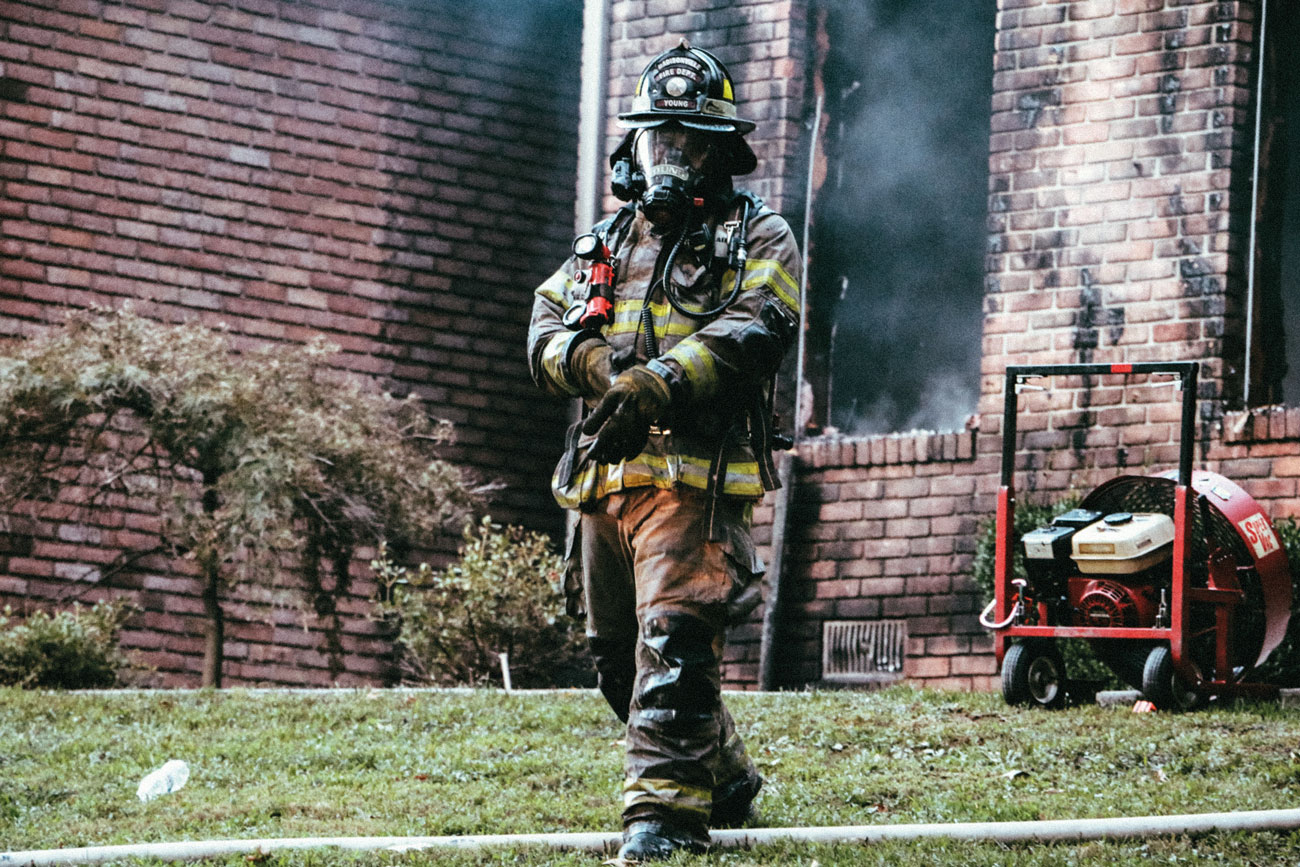
Glyn Coates, Zeroignition, looks at traditional methods of construction in the light of Grenfell, where they’re failing and what we can do. There’s a barrier preventing construction from adopting improvements at a similar pace to other industries. There’s some headway in technology, methods of construction, and legislation that has had a positive impact on the way we work and how our industry is developing, but it hasn’t changed the mindset of the industry.
With increased pressure on contractors to deliver builds bigger, quicker and cheaper, standards have slipped, resulting in catastrophic mistakes that have cost lives. Construction is an essential industry that shoulders much responsibility, so the importance of making fundamental changes to methods of working is immeasurable. Change won’t happen overnight, but it can start with individuals researching, asking questions and accepting nothing less than high quality.
Choosing the right contractor is essential
A finished building should always be fully compliant, fit-for-purpose and ultimately serve its intended function. With this level of responsibility, it’s essential projects are designed, specified and constructed by qualified and certified professional tradesmen. Unfortunately that’s not always the case.
It would appear many contracts are awarded to the lowest bidder, rather than to companies that have been carefully researched and vetted to ensure they’re qualified to undertake the contract – not to mention with the financials in place too. I’ve seen this first-hand and it’s an epidemic in the building industry, in the UK especially.
Delivering much more than the bare minimum
Generally, product specification stems from the required performance and suitable qualification in relation to BS/EN or ISO testing, but who monitors this? How can we be sure that we’re buying a building that has been built to the architect’s or designer’s performance specification? Or does it fall prey to ‘equal or approved’?
When a specifier has completed the list of products required for a project, this is written at the bottom and gives license to contractors to use lesser quality products to cut costs. This is a major issue and could be abolished with one change. It’s a number one priority when you consider these projects could be commercial, residential or public buildings like airport terminals, schools or hospitals.
Making the idea a reality – the project process
A project is designed and specified by the architect before being signed off by the client for tender. Different contractors will price packages that will be required within the project, be it the external envelope, internal lining, fire protection, electrics or even a complete solution which cuts down the chain and risk and can work out to be the most cost-effective solution.
After the sub-contractor package prices are gathered and reviewed, the contractor will compare these to the architect’s initial designs and see if they marry up. A final price is then submitted for the client and their architect to approve. If this seems too high then alterations may be made to the building design. These may or may not fit within compliance, let alone take into account the safety performance of the finished property.
Finally, the main contractor will issue the jobs to the approved build teams and sub-contractors who pitched the various complementing packages. Depending on the approval, this could end up being a fairly high number which can have negative impacts, such as too many tradesmen on-site simultaneously, knock-on effects on timelines if there are delays and of course, Health & Safety.
But essentially, cost is the driver for most decisions throughout the process and this is preventing change.
The impact of sub-contractors failing to follow specifications
Following the disastrous fire at Grenfell, it was reported that the intumescent cavity closers, installed as part of the external elevation, were the wrong way around. This meant the under-fire barrier could not react to the fire in the right way and close the cavity to prevent it from moving upwards throughout the building. This mistake throws into question how it actually happened. Were the fire protection or cladding company qualified and doing their jobs competently? Whose responsibility was it to check the sub-contractors’ work?
This is where there’s a glaring problem in the industry – there’s clearly insufficient policing of what’s being installed and how it’s being done.
In times gone by there would be a Clerk of the Works, however this role has almost died out because of a cost cutting exercise. So does the responsibility now lie with the project or site manager, sub-contractor or main contractor? The truth is nobody knows. Liability dodging, cost cutting and lack of organisation in the chain of command between specification, installation and maintenance are the biggest challenges our industry is ignoring.
Where knowledge falls short, standards do too
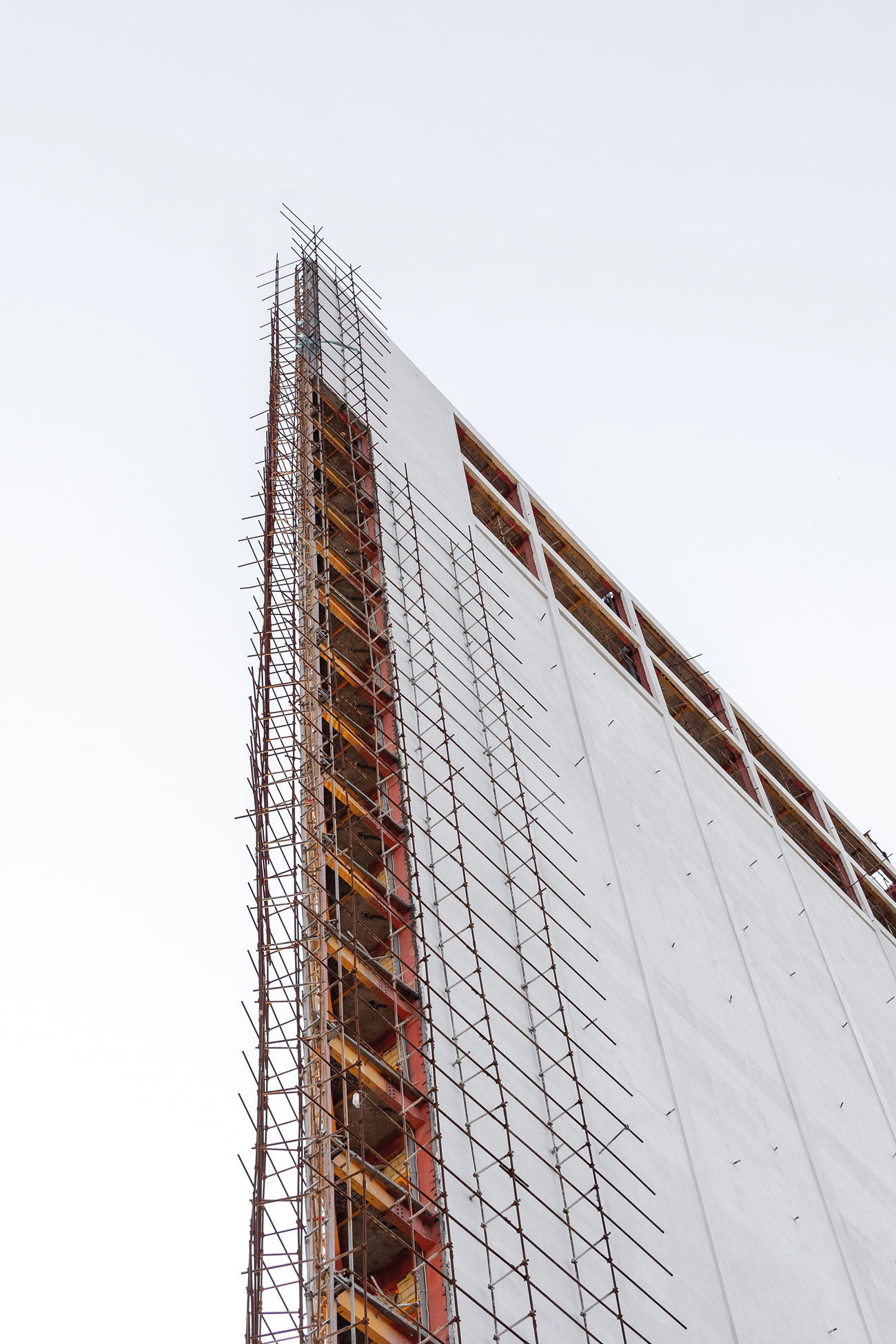
There’s a lack of understanding in relation to fire control and what’s required to reach even the most minimum standards. Whether the necessary performance is 60 minutes, 120 minutes or even higher, there is very little understanding of the differences between reaction to, and resistance to, fire and the nuances between the two. For example, specifying a Euroclass A.1 doesn’t mean it will achieve a 60-minute performance. There needs to be more education around reaction and resistance and how the two need to be considered during the early stages of design.
If we take insulation, there has been a big focus on CO2 reduction and thermal properties by the construction industry and by government. Cuts were largely achieved by adding combustible insulation to the building envelope, particularly in high rise structures, without proper focus on the safety implications in terms of fire.
This is where fire protection considerations lack the priority they deserve. It should be thought of as something as essential as the foundation of the building or the envelope, and built into initial designs and within products, not just an after-thought near the end of the process. It’s putting people’s lives at stake and it’s hard to understand why it’s not taken more seriously.
Interrogating the industry and making a change
Two parts of the build program require immediate attention:
- The overall design, in particular ensuring the priced project with the ‘equal and approved’ reference meets the performance requirement on all levels, especially against fire.
- The necessity to supervise and police the construction program so the correct products are being installed and maintained in the correct way by qualified contractors.
It’s a mammoth task, particularly to an industry that is notoriously slow and resistant to change, but as the situation needs improvement, we need to consider how we can remove as much risk as possible with a few simple alterations. Greater levels of control are needed across:
Materials – ensuring they’re part of an umbrella accreditation and testing system to guarantee consistency and compliance from all manufacturers.
Cost shouldn’t come first – this goes for material substitutions, and contractors. The cost first mindset will continue to kill people.
Quality control – there needs to be a clear chain of authority on builds to ensure there is a central role overseeing products, installation and construction methods.
Traceability – all components in fabricated systems need to be marked and logged to ensure if the worst happens, the sub-contractors and manufacturers involved are held accountable.
Flexibility in design – Architects and clients need a greater understanding over the limitations of materials and their costs so there’s less chance of specifying something that will need to be altered later.
Controlling off-site activity to ensure quality assurance
We can take some important lessons from off-site manufacturers. They use monitored and checked components to ensure their products meet performance specifications.
By introducing quality checks and tests during component assembly in the factory environment, it’s simple to develop and implement industry-standard certifications, particularly with everything managed in one place and dealing with fewer suppliers. When taken to site for installation, the workforce is skilled, qualified and have up-to-date knowledge of the products and the building as a ‘system’, not just individual components.
Cutting costs often means compromising on safety
Material substitutions chosen to reduce cost should never be considered if safety could be compromised, but unfortunately this is something that has been seen around the globe. One notable case, the Lotus Riverside Complex in Shanghai, 2009, saw a triad of low-quality materials, rushed work and poor construction techniques result in the collapse of a 13 storey apartment building. It claimed the life of one worker.
It’s accepted this happens in the construction industry, but why? This cost-down focus isn’t present in other industries that are just as essential. For example, it’s unlikely you would see it in the aviation industry where they are very-much focused both on aircraft construction and cost control. It’s difficult to think they would contemplate component specification changes based on a low-cost option over passenger safety.
The global construction industry needs to make a change to the way these projects are thought about from the early design stages. One change could come from introducing third party material accreditations from a body like the BBA, rather than relying on manufacturers to self-certify.
Looking to the past to inform the future
In 1996 an article was published by The Royal Academy of Engineering titled ‘Where is the Henry Ford of Future Housing Systems?’. This is a question some of us in the industry are still asking today.
Although the market is slow to change, offsite manufacture seems to be heading in the right direction. Expanding this thinking into all construction market sectors could happen, but measures need to be taken so that quality control over components being manufactured develops ahead of the game. Clients and specifiers need peace of mind over what they’re buying.
When it comes to construction, the lowest cost shouldn’t be the first consideration. Cost-effectiveness is important, it’s a business after all, but it shouldn’t take precedence over building safety, quality or performance. Research and due diligence are key to helping the industry improve its standards as is refusing to work with sub-quality contractors and manufacturers.
I’ve worked in the construction industry for 40 years and it’s easy to see where things have and have not moved forward. It’s only when I think about this as a family man that it really hits home. Would I let my kids drive a car that hadn’t been properly safety tested, and regularly serviced? No. Would I fly in a plane where cost-down was the primary focus when it was built? Absolutely not. So, why do we accept anything less when it comes to buildings?
We know what needs to be done. Drawing inspiration from more modern methods of construction and similar industries, particularly where manufacturing and installation is present, means that we can translate the same high standards and way of working so that we move away from being driven by cost, to being driven by quality and safety.
Doing nothing because change is hard has never been a good enough excuse. No builder goes to work to build a second-rate building – let’s go back to basics and change the foundations of how we work.
For more information, go to www.zeroignition.com
About the Author
Glyn R Coates is director at Zeroignition. He has over 40 years’ experience in the construction industry.

You must be logged in to post a comment.