

In todays uncertain times, the issue of security of vital infrastructure like power stations, oil refineries, data centres, places of public congregation like convention centres, stadiums, theatres, major shopping malls, also high-rise buildings both residential and commercial, is uppermost in a lot of people’s minds but foremost in the minds of those responsible for protecting our vital infrastructure and the health and safety of the public.
We all know that today’s perpetrators of harm can be internal as well as external and be very technology savvy – not just from the cyber side, but also the engineering aspects. The internet provides all the information needed to understand in detail how things work and hence the work arounds. Hence, this is no time to become lax with monitoring and security, in fact we should be more concerned and ensure critical fire protection systems cannot be compromised.
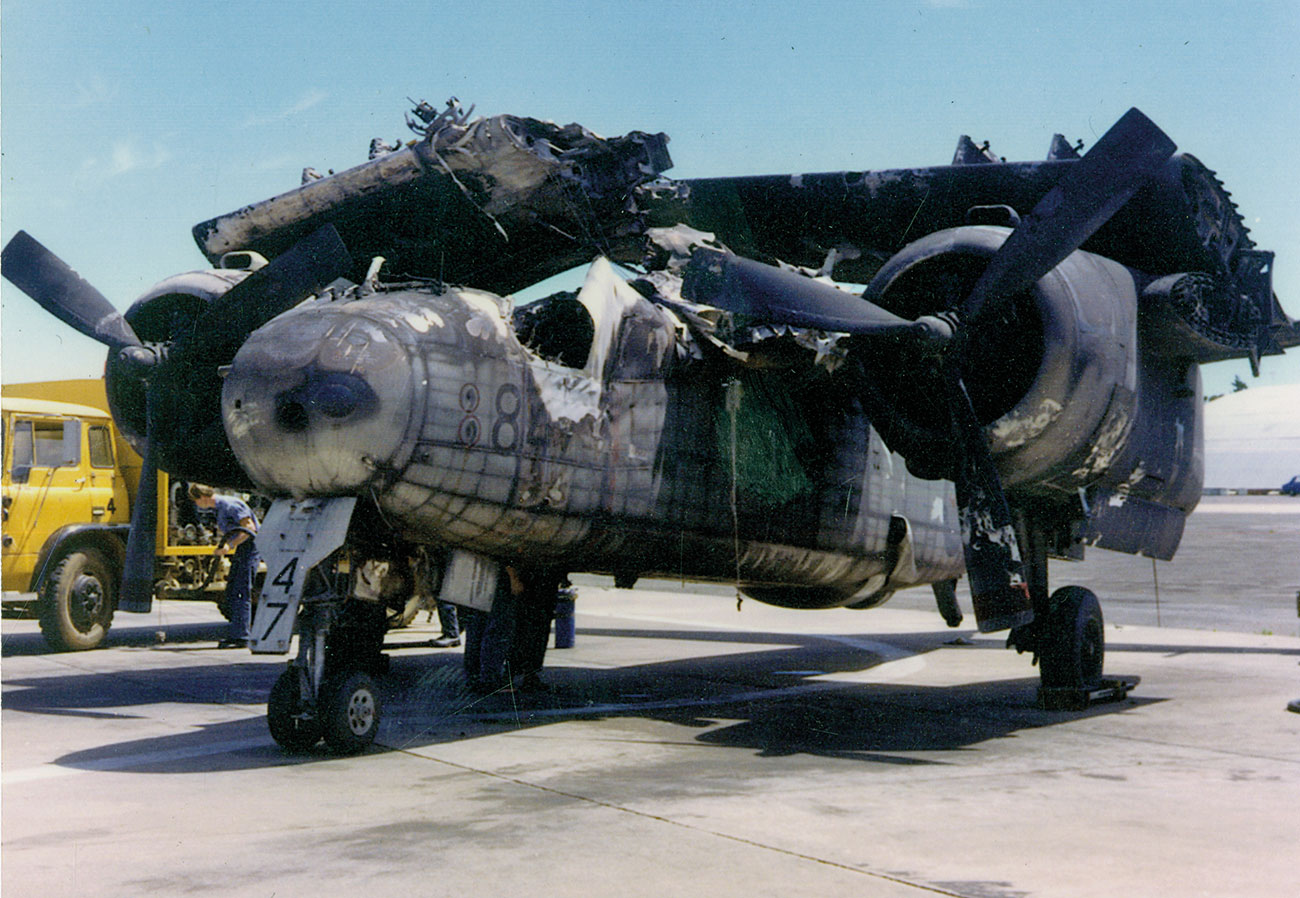
For those that remember the $50 Million Nowra Aircraft Hangar fire in 1976 that destroyed 12 Naval Grumman Tracker Aircraft (almost the whole fleet), the sailor charged with the fire shut down the sprinkler system and opened the defueling valves on two aircraft before starting the fire – herein started our country’s interest in fire protection system security.
After that fire, the Federal Government, Department of Defence and the Commonwealth Fire Board, looked intensively into fire protection security when it came to property and infrastructure at all Commonwealth agencies. Around the same time the Melbourne Metropolitan Fire Brigade (MFB) had grave concerns for their firefighters’ safety and in the early 1980’s their Systems Engineering Group developed a specification for valve monitors as well as making a version of their own.
This specification became the basis for the Scientific Services Laboratory (SSL) document CLP 191 – Specification for Tamper Resistant Valve Monitoring Switches. This in turn was used to develop a draft Australian Standard AS 4118.1.4 in 1991 which eventuated into the published Standard – Valve Monitors for Fire Protection Equipment in 1994.
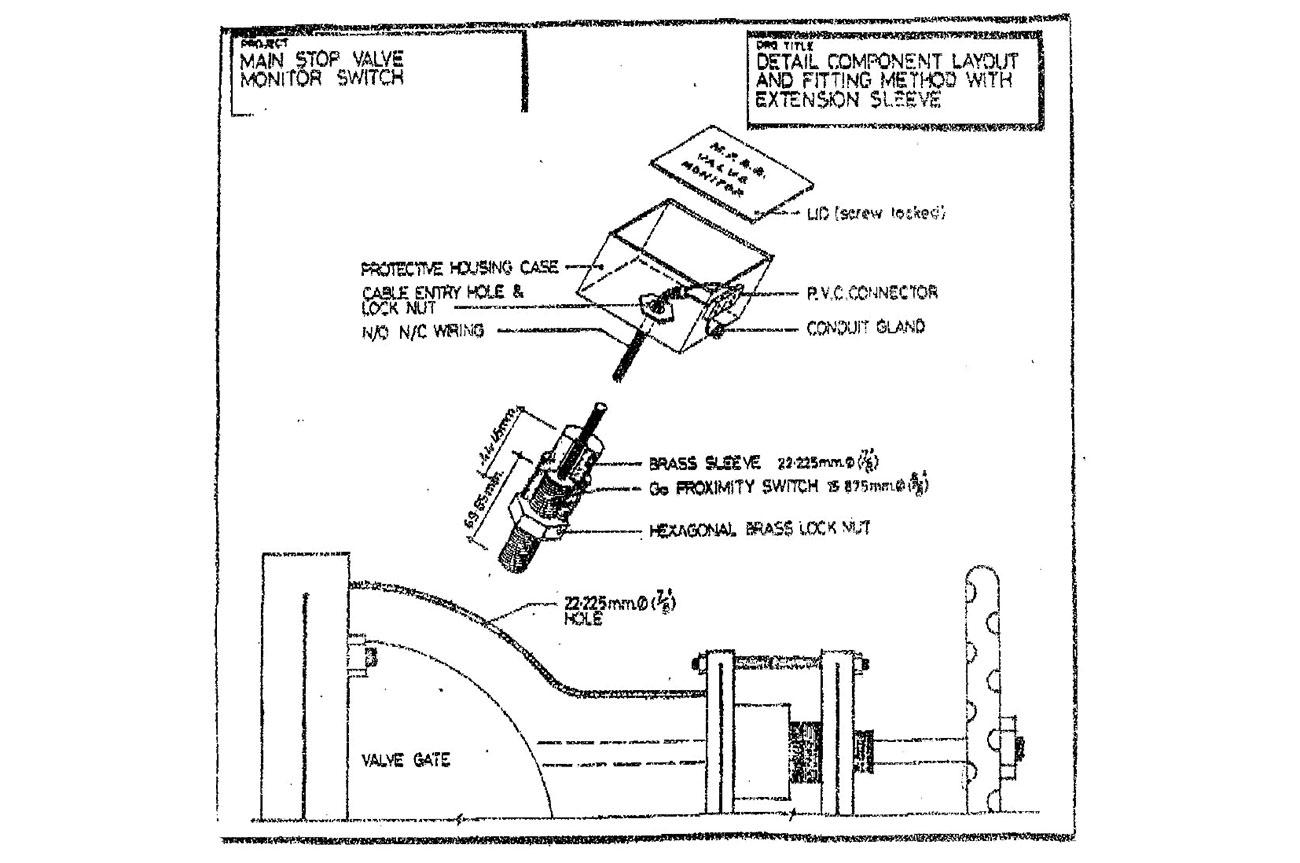
In Australia we have been very fortunate to have this world leading technology in monitoring and security of fire protection valves for over 30 years. It was the result of work done by the MFB and SSL on the specifications and the development of valve monitors to meet the needs of the Fire Services, Commonwealth Fire Board and Industry. Back in those days there were three valve monitors that were approved for use in the Metropolitan Fire District (MFB) – the MFB VMD (see figure below), the AMTRON valve monitor we all know here in Australia, and the ANSCAN Valve monitor. Today only the AMTRON vale monitor has stood the test of time, a testament of its quality, robustness and fitness for purpose, and the only one listed by ActivFire as meeting fully all the requirements of AS 4118.1.4.
Of interest here is the fact that AS 4118.1.4 only provides one set of requirements for a “Valve Monitor” – which in Australian Fire Protection Installation Standards is referred to as a “Class A valve monitor”. The original SSL specification did include requirements for two classes of Valve Monitor – Class A and B, however this was not taken up by the Standards Committee. The Commonwealth Fire Board were fully behind the new Standard when it was published, but one year later they identified a need for a lesser grade of monitoring for some of their facilities and applications and requested the SSL Class B requirements be added to the Valve Monitor Standard.
Images supplied by Author / Contributor
Note that the SSL requirement for a Class B Valve Monitor still had the requirement for where an attempt was made to remove the monitor, open the monitor or tamper with the monitor or wiring, to initiate an alarm – something today’s Class B Valve Monitors do not comply with. Also, both Class A and Class B valve monitors had to meet all of the electrical and environmental requirements which are an integral part of AS 4118.1.4.
As it turned out, the Standard Committee decided against a change to the Valve Monitor Standard, and the 1995 version of AS 2118.1 only had provision for valve monitoring devices complying with AS 4118.1.4 but limited the requirement for monitoring to:
AS 2118.1 – 1995
- High Hazard systems
- In buildings higher than 25m and
- Where required by acts or regulation
However, for the 1999 revision, the FP 4 Standards Committee did agree to specify what constituted a Class B Valve Monitor and where it could be used. This was a much watered-down requirement (compared with the original SSL specification) with the only tamper resistance being on the wiring back to the FIP. This allowed all imported valve monitors and integral valve monitoring on butterfly valves, to be acceptable for an exception that was also introduce as follows:
AS 2118.1 – 1999
The changes that were made included:
- A threshold for high hazard > 300 m2, and an exception –
- “Class B devices are permitted where the monitored components are located within a secure area or room with access restricted by means of security or a system providing at least the same level of security as achieved with Class A monitoring.”
The intent here was an area that was not only physically secured but also monitored with alarms back to the alarm panel and all the other features required by AS 4118.1.4. were provided. Many people have misinterpreted this exception to simply mean a locked room or cage – the downward slide begins.
Unfortunately, as the years passed and memories fade, questions were raised, and economic pressures came to bear to undermine the high level of security we had.
This brings us to AS 2118.1 – 2017
Once again, the exception has been expanded – “Class B devices are permitted where the monitored components are within a ceiling space, a secure area or a room with access restricted by means of a security device or system.”
That is where we are at now – is this acceptable or are we going to see more erosion of our great Valve Monitor Standard and fire protection system security?
This is already happening with inferior substitute devices being used which ignore the key electrical and environmental requirements in AS 4118.1.4 and try to pass themselves off as the equivalent of Class A Valve Monitors which they clearly are not.
Also, a lot of people are under the impression that enclosures or cabinets locked with a 003 key are secure, or valve covers and other devices with anti-tamper headed bolts or screws are considered “security devices”. This is not so where a quick look on eBay or a Google search will immediately provide direct access to 003 keys and the whole set of tool heads to undo the anti-tamper bolts and screws.
Images supplied by Author / Contributor
The good news.
Now, with the ever-increasing need for greater security in all aspects of our lives, the rest of the world is recognising what we have here in Australia and are showing great interest in catching up.
FM Approvals have issued Approval Standard 3135 for Valve monitoring incorporating a new category of “Enhanced Security Valve Monitors”, which replicates all the key elements of AS 4118.1.4 and more. This standard is now published, and manufacturers of FM Approved valves have new guidance and an incentive to improve their offering to provide valves which include “Enhanced Security Valve Monitors”. This is really good news for the industry.
Note that FM Approvals does not consider either the 003 keys or the anti-tamper headed bolts or screws, as acceptable security measures in the “Enhanced Security Valve Monitor” Approval Standard.
What is the incentive? – FM Global is considering changing their requirement for valve inspections to a physical check and test of “Valves with Enhanced Security Valve Monitors” to 6 monthly! Such is the confidence in the new Standard and quality required, something we have had here in Australia for over 30 years!
If a change to 6 monthly check is good enough for FM Global, why shouldn’t it be good enough for us here in Australia. The maintenance Standard AS 1851 is up for revision and this change for Class A monitors will be proposed.

Images supplied by Author / Contributor
If it gets through, that would mean a significant reduction in cost of maintenance, and in buildings where Class A monitoring is required, there will be an incentive to forego some if not all, of the current exceptions for not only whole of building life cost savings but also the peace of mind and added value of world class security and monitoring on their fire protection systems.
The good news doesn’t end there.
Combine the Class A or “Enhanced Security Valve Monitor” with a state of the art, highly secure (military grade encryption) Wi Fi interface and monitoring system, to provide a totally secure wireless real time monitoring to not only the FIP but to any computer or smart device anywhere in the world as the need dictates. Using this technology can provide greatly enhance monitoring and security as well as saving a huge amount for large buildings or sprawling complexes or sites. This is called “Smart Valve Monitoring” as defined in FM Global Data Sheets. This technology already exists and is available in Australia.
In today’s difficult and uncertain times, where the need to be ever vigilant is of uppermost importance, we should be proud of our achievement as being ahead of the world when it comes to a simple but very strategic element of fire protection system security. This is not the time to drop our guard, who knows how many potential attempts have been thwarted by our current valve monitoring requirements, it may well be one of the key reasons for the excellent history of fire protection system effectiveness that we in this country enjoy. We need to maintain our current minimum requirements rather than continually diluting them, and take the opportunity to promote additional security by reducing the frequency of inspections of valves fitted with ActivFire listed valve monitors that fully comply with AS 4118.1.4.
For more information, go to www.amtron.com.au
About the Author
Andre Mierzwa is FM Global’s Australian Operations Chief Engineer based in their Melbourne office. As the Chief Engineer he is responsible for the technical quality of engineering services within the whole Operation – Australia and New Zealand.

You must be logged in to post a comment.