
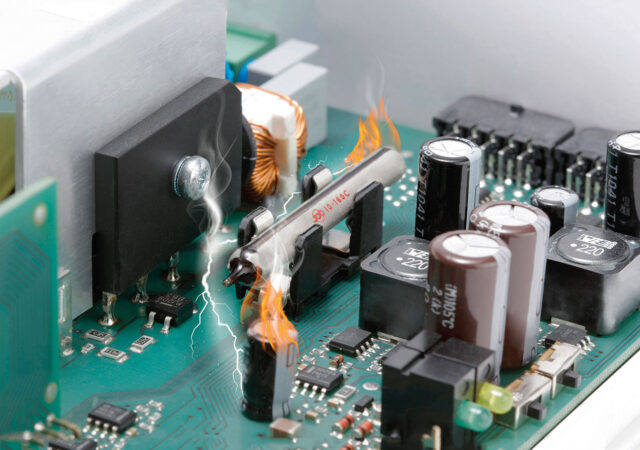
An innovative and device-integrated fire-protection concept allows reducing the inherent fire risks that come with any electric cabinet, device and appliance. Components so small they fit inside electric products detect and suppress emerging fires directly at the point of origin…

A quick resource guide: Understanding fire alarm system components
Fire alarm systems are rapidly evolving as today’s buildings are designed with high-tech intelligent interactive systems operating the building’s infrastructure. For decades, the role of a fire alarm system was to simply evacuate a building and notify first responders. But…

Addressable fire alarm devices can enable faster reaction time for earlier evacuation
The latest LED technology in visual alarm and indicating devices improves building occupant reaction time while highly accurate device self-testing ensures system readiness without disrupting building occupants. A reliable system and earlier awareness in an emergency allow occupants to leave…
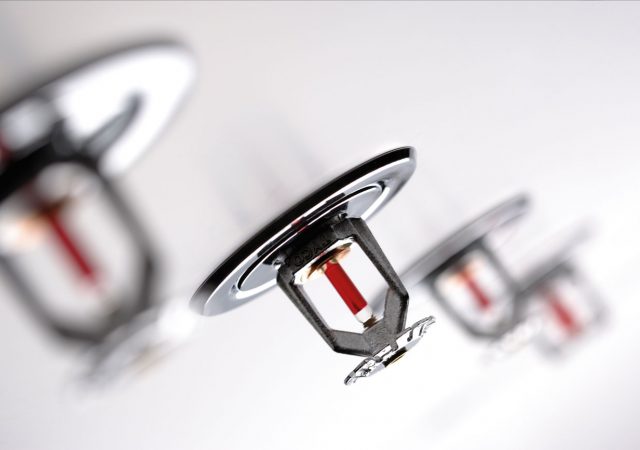
Ensuring safety through fire suppression in warehousing and logistics
Today, consumers are becoming more and more focused on instant gratification when it comes to their shopping habits. This now impacts the way the warehousing and logistics industries deal with the increasing demand that comes with the popularity of e-commerce.…

Protecting our heritage
Fire is a major hazard to cultural heritage buildings around the globe. Severe fires have almost completely destroyed libraries, museums, palaces, and cathedrals. The recent fire at Notre Dame Cathedral in Paris was the latest in a growing list of…

FlameSpec ‘when every second counts’
Flame detector manufacturers, continually search to advance detection technologies, to improve performance, distance, reliability and strive to improve false alarm immunity. Modern technology, both in areas of manufacturing, design and software processing have greatly improved the way in which we…
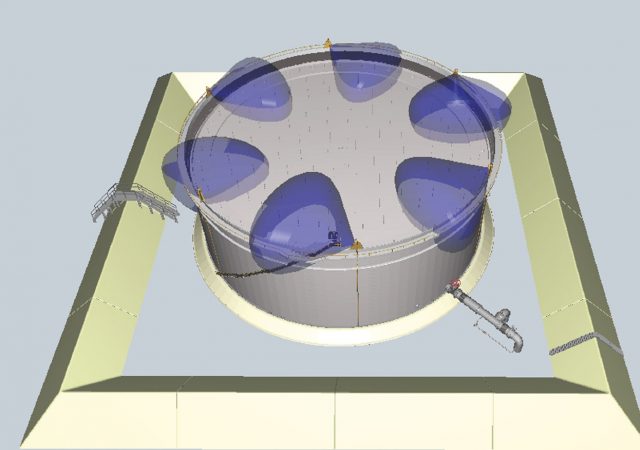
Employing flame detection for large atmospheric storage tanks
This article builds on our understanding of flame detection technologies discussed in issues 761 and 782 of this magazine by discussing a real-world application. Large Atmospheric Storage Tanks (LASTs), also called “day tanks typically have diameters of up to 100…

Water mist – the firefighting system and the organisation behind it
Ragnar Wighus, IWMA past president and chief scientist at SP Fire Research Norway, says: ‘Water mist firefighting systems are well established and have been in use for well over 20 years in their present stage of technology.’ Funnily enough, there…

Why water mist is ideal for industrial fryer protection
Industrial fryers and cookers are used in the food industry to produce packaged goods, such as breaded meats, potato products and precooked snacks. These fryers contain large amounts of cooking oil (up to 19,000 liters or 5,000 gallons) and operate…
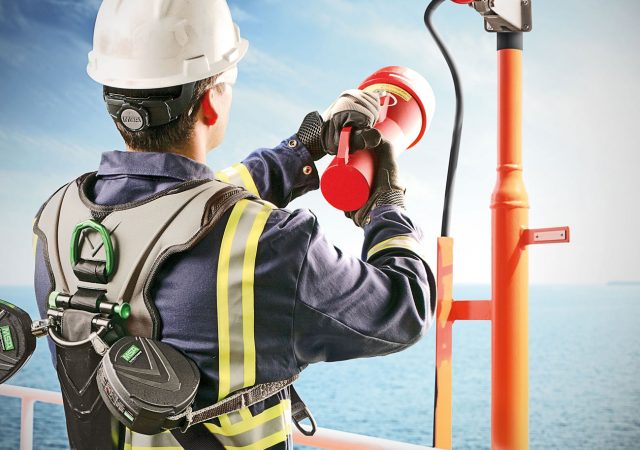
How to achieve a high-performing optical flame detection system
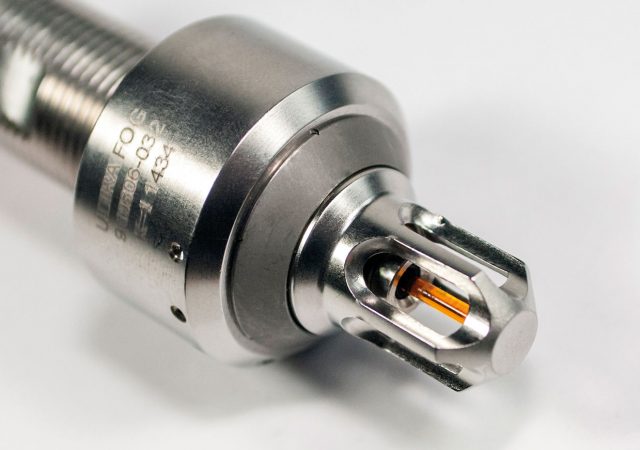
Optical flame detectors sense radiant energy from an open flame by employing infrared, visible, and/or ultraviolet sensors, usually in signal-processing combination within a single detection instrument. The design and installation of optical flame detection systems is to provide early and…
The rise of water mist fire suppression systems
Water mist fire protection systems share many similarities with sprinkler systems. Both systems use water as the suppression medium, pumped through a network of pipes and zone valves, and deployed within the affected area via ceiling or wall-mounted heads. The…

The new generation of flame detectors
Industries continuously strive to improve safety by reducing the number of personnel who are exposed to risk of fires or explosions in hazardous areas. Modern technology allows remote or automatic operation and monitoring of more and more industrial processes and…
Flame detection performance – effective viewing distance?
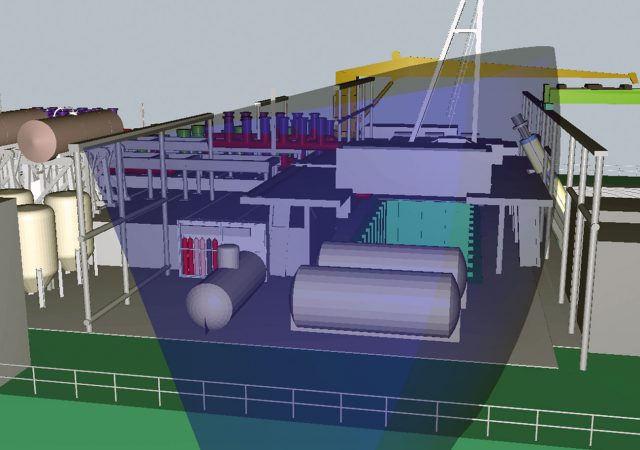
This article builds on our understanding of flame detectors developed in issue 761 of this magazine by discussing the need for a method by which “real world” detector performance can be compared. At present flame detector performance is usually measured…

Fast heat detection for fires on transformers
Electrical transmission and distribution systems are the heart of every economy. Demand for electricity rapidly increases as a country becomes more developed and industrialised. Transformers are an essential part of the power grid that supplies electricity to homes, offices and…

Standards development and testing for hybrid fire extinguishing systems
Hybrid Fire Extinguishing Systems utilize a combination of atomized water and inert gas, to extinguish fires. Hybrid fire extinguishing systems are a technology that is becoming an established solution in Information Technology (IT), Power as well as Industrial applications and…

Smoke detection takes giant strides forward in enhanced life safety
The life safety industry is in the midst of one of the biggest changes in its history due to new UL standards governing smoke detectors. Published in 2016, UL 268 – Standard for Smoke Detector Systems, 7th edition, as well…

Ensuring fire system effectiveness in historic sites
The threat and consequences of fire in any building are serious, but historic structures pose a particularly complex challenge for the people and systems charged with protecting them. Not only do these buildings tend to be complex and varied in…

Most losses are preventable – the role of automatic sprinkler systems
When it comes to comprehensive fire protection, certified automatic fire sprinkler systems offer proven valuable, reliability and payback potential. Frankfurt-based FM Approvals business development manager for EMEA, Witali Engelhardt provides answers to some key questions associated with these important loss…

The future of fire alarm systems maintenance, delivered via the cloud
Regular maintenance of fire alarm systems and timely response to malfunctions are part of every installer’s service promise. But maintaining, servicing, and monitoring fire safety equipment can prove time and cost-intensive, especially across multiple locations. Now a fully cloud-based solution,…

The next generation of flame detectors
There are many industries, processes and applications that have a need to protect and save life and property. To that end, they need detection systems and detectors that will be highly immune to false alarms and of the highest performance and reliability.
As a result, flame detectors were developed to detect fire at all times and in all weather conditions and yet be highly immune to false alarms.
In recent years, communication, video image processing and data storage power technology have developed rapidly and so are readily available and easy to implement. They will contribute to the next generation of Flame and Gas detection systems and products.
You must be logged in to post a comment.